
When Your Pet Keeps Vomiting: What Persistent Digestive Problems Can Mean
There’s a meaningful difference between a pet who vomits because they ate something they shouldn’t have and a pet whose GI tract has been trying to communicate something for months. After you’ve scrubbed your rug clean for the third time this week, it’s natural to wonder- is my pet vomiting too much? Or is this normal?
Chronic vomiting, particularly when it comes alongside weight loss, changes in appetite, or intermittent diarrhea, points toward something that a single treatment is unlikely to resolve. The diagnostic process typically starts with bloodwork and imaging to rule out serious causes, moves into dietary trials, and sometimes progresses to endoscopy and biopsy when the picture remains unclear. Each step narrows the field and gets closer to a real answer.
At Lewiston Veterinary Clinic, we serve dogs, cats, and a wide range of other species from our clinic in Lewiston, ID, approaching complex medical cases with the kind of persistence that earns trust. Our diagnostic services include in-house lab work, digital radiography, and ultrasound, alongside partnerships with reference labs for specialized testing when needed. Reach out to us to get a chronic GI concern properly worked up.
When Vomiting Goes from Occasional to Concerning
Most pet owners have dealt with a vomiting episode that resolved on its own. Hairballs, a fast meal, a bit of grass from the yard. Those isolated moments are usually nothing to lose sleep over. Vomiting that keeps coming back, especially over weeks or months, deserves a closer look.
How Does the Appearance or Frequency of Vomiting Make a Difference?
Not all vomiting tells the same story. The appearance of vomit can point toward where in the GI tract the problem originates before testing even begins.
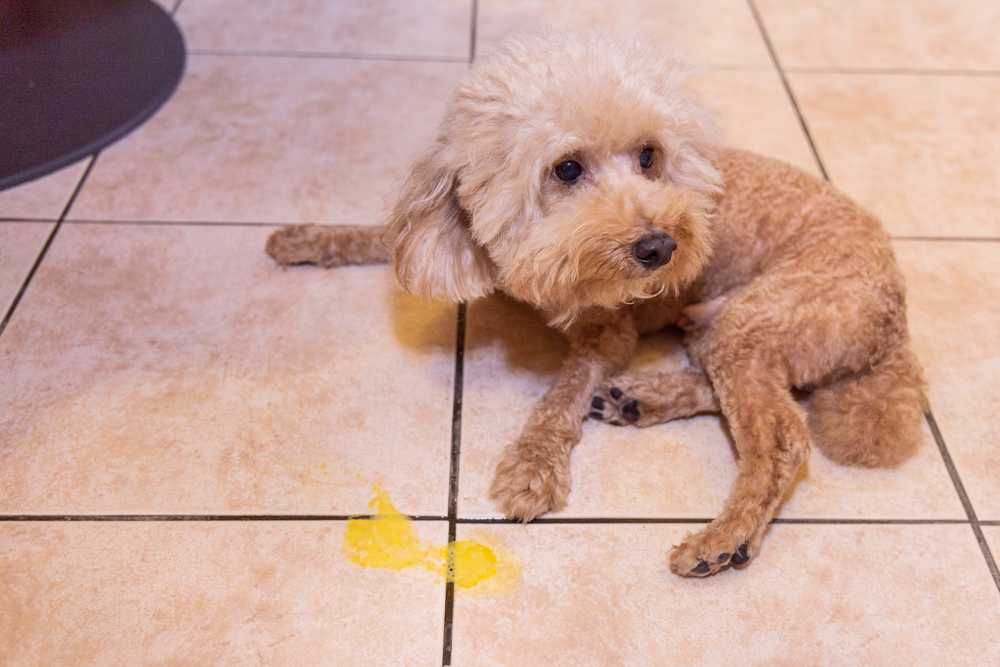
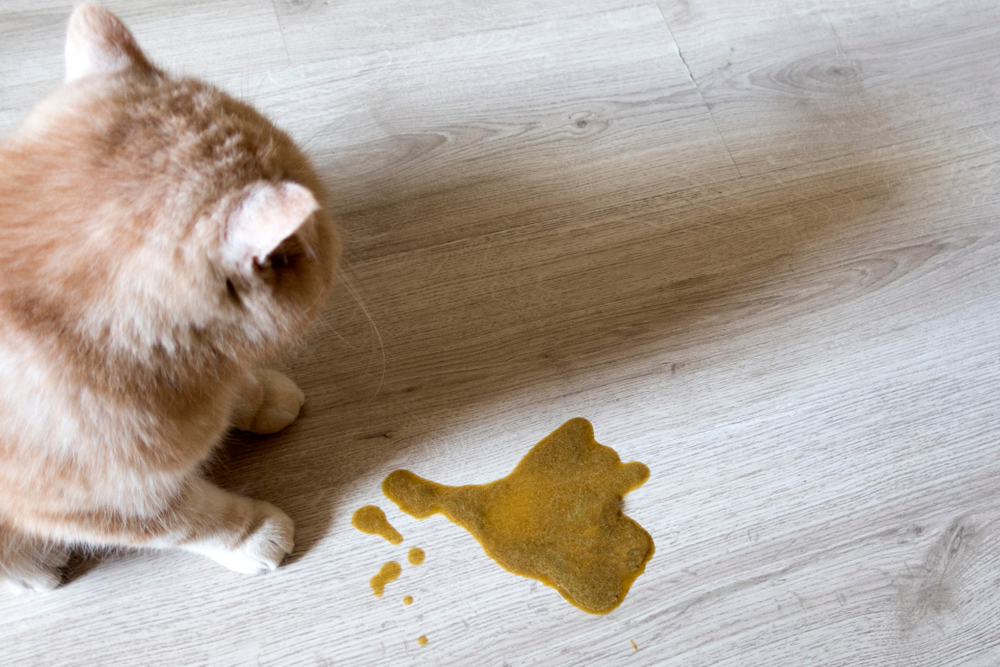
When you come to your appointment, we’ll ask how often your pet vomits, if there is a certain time of day they vomit, how soon they vomit after a meal, and what it looks like. If you have pictures, we’d like to see them- it may seem gross, but they can be helpful in understanding what exactly is happening.
Here’s some common “vomit types” to watch for:
- Yellow or green bile: Often seen in the early morning before eating, this typically indicates stomach acid and bile accumulating overnight. It can signal bilious vomiting syndrome, an empty stomach, or motility dysfunction.
- Undigested food shortly after eating: This may actually be regurgitation rather than true vomiting. Megaesophagus causes regurgitation rather than true vomiting, a distinction that matters for diagnosis and management, since the two have entirely different causes and treatments.
- Dark or coffee-ground material: Suggests digested blood in the stomach and warrants prompt evaluation.
- Bright red blood: Points to active bleeding in the upper GI tract and is always a reason to come in the same day.
- Foamy white liquid: Often linked to an empty stomach or acid irritation, but in dogs accompanied by unproductive retching and a distended abdomen, it can be an early sign of bloat.
Frequency matters just as much as appearance. A dog who vomits once after eating grass is a very different clinical picture than one vomiting daily for three weeks. Keeping a simple log of how often episodes occur, what they look like, and whether they follow meals gives us a meaningful head start before the first test is run.
How Do You Know if Your Vomiting Pet Needs a Vet Appointment?
Warning signs that warrant a veterinary evaluation rather than watchful waiting:
- Vomiting more than once or twice per week over multiple weeks
- More than one hairball a month in cats
- Unexplained weight loss alongside the vomiting
- Increased thirst or urination alongside GI symptoms
- Low energy or withdrawal from normal activities
- Concurrent diarrhea or significant changes in stool
Senior pet health brings its own set of considerations; older animals are more likely to develop organ diseases that often first present as chronic vomiting, making prompt evaluation especially important as pets age. Our wellness exams include a thorough physical assessment that establishes a health baseline and makes year-to-year comparisons meaningful.
When is a Vomiting Pet an Emergency?
Sometimes vomiting escalates into an emergency. Signs your pet should be seen right away include:
- Vomiting in very young or very old pets, especially with other symptoms
- Vomiting up everything, including water, soon after they eat or drink
- Blood in the vomit, or vomit with a dark, coffee-ground appearance
- Abdominal sensitivity or a hunched posture
- Severe lethargy and no appetite
- Unproductive vomiting, or retching, especially in large breed dogs- could be a sign of bloat
If these signs occur, call us for guidance. We offer emergency care during normal business hours, and on weekday evenings and Saturdays there are rotating vets on-call for your emergency needs. Otherwise, head straight to your nearest veterinary ER.
What Might Be Causing the Vomiting?
Is it Something They Ate?
Food is one of the most common contributors to chronic vomiting, and it is often the last thing owners think to question, especially when a pet has been on the same diet for years. Food allergies involve an immune-mediated response to a specific protein, and they can develop at any point in a pet’s life, even after years without reaction. Food intolerances are different in mechanism but similar in effect: the digestive system reacts negatively without an immune component involved.
Dietary inconsistency can also quietly perpetuate the problem. Rotating treats, adding table scraps, or offering multiple food sources makes it difficult to identify which ingredient is driving symptoms. Thoughtful pet food selection with a consistent ingredient list is a practical first step before pursuing formal diagnostic trials.
Eating inappropriate objects is also a major cause of vomiting. While many objects cause severe, sudden vomiting, some GI obstructions from swallowed objects can cause partial blockages that produce waxing and waning symptoms rather than the dramatic acute presentation owners might expect. Lewiston Veterinary Clinic offers full surgical services to remove blockages when needed.
When the Problem Starts Outside the GI Tract
Vomiting is not always a stomach problem. Several systemic conditions trigger nausea and vomiting as secondary effects, and treating the GI symptoms without identifying the underlying cause will not produce lasting improvement.
- Chronic kidney disease is particularly common in older cats, often presenting as daily or near-daily vomiting, gradual weight loss, and increased thirst and urination.
- Hepatic disease varies from gall bladder disease to liver disease across a spectrum of severity.
- Endocrine disorders add another layer: feline hyperthyroidism frequently causes vomiting alongside weight loss and increased appetite, while pancreatitis causes significant nausea in both dogs and cats, sometimes with subtle or misleading clinical signs.
Our in-house laboratory capabilities allow us to run comprehensive blood panels, urinalysis, and baseline metabolic screening quickly, without waiting days for reference lab results in many cases.
Primary GI Tract Disorders
When organs outside the GI tract are ruled out, the focus shifts to the GI tract itself.
- Inflammatory bowel disease (IBD) involves chronic immune-mediated inflammation of the intestinal lining and is one of the most common causes of long-term vomiting in both dogs and cats.
- Lymphoma becomes more likely in older pets, especially cats, and can closely mimic IBD in its presentation.
- Gastric ulcers can result from NSAID use, stress, or other underlying conditions and cause persistent nausea.
- Bilious vomiting syndrome produces characteristic yellow bile vomit, typically in the early morning.
- Pyloric stenosis slows the movement of food from the stomach and is seen in certain breeds and older dogs.
Because there are so many possible problems in the GI tract that could be causing this, diagnostic testing at our practice combined with your observations of when and how the vomiting occurs is critical to find the right diagnosis.
Could Eating Habits or Stress Be the Problem?
The “Scarf and Barf” Pattern
Some pets eat with such enthusiasm that the food barely touches the bowl before it comes back up, looking almost completely undigested. This is especially common in multi-pet households with food competition or in pets that have a history of uncertain food access. The fix is usually structural rather than medical.
Interactive feeders and slow-feed bowls extend mealtime by requiring the pet to work for their food rather than inhale it. Feeding pets separately removes the competitive dynamic. Offering smaller, more frequent meals can also reduce the volume consumed in any single sitting.
When Stress Drives the Symptoms
Chronic stress and anxiety are underappreciated contributors to GI symptoms in pets, particularly cats. Routine disruptions, a new household member, construction noise, or ongoing tension in the environment can all trigger vomiting in stress-sensitive individuals.
Stress and anxiety in pets often present alongside other behavioral changes: overgrooming, hiding, altered sleep, or shifts in social behavior. Feline stress in particular has well-documented effects on the GI tract, and in cats whose vomiting coincides consistently with a specific trigger, addressing the stressor can significantly improve or resolve symptoms.
How Does the Diagnostic Process Actually Work?
The workup for chronic vomiting starts with a thorough physical examination and a detailed history.
Baseline diagnostics typically include:
- Bloodwork to assess organ function, protein levels, red and white blood cell counts, and markers of inflammation
- Urinalysis to evaluate kidney health and screen for infection or protein loss
- Fecal testing to identify parasites that can cause chronic GI inflammation
- Ultrasound to evaluate organ size, architecture, and lymph node changes, and to screen for masses or fluid accumulation
We use in-house digital radiology and ultrasound to provide fast imaging results, with reference laboratory partnerships for more specialized panels when needed. Wellness care visit records and established baselines from prior exams make changes in lab values even more meaningful.
Elimination Diet Trials: The Food Investigation Step
How a Proper Diet Trial Is Conducted
When baseline diagnostics do not identify the cause, a structured food diet trial is typically the next step. There are two approaches: a novel protein and carbohydrate diet using an ingredient the pet has genuinely never encountered before, or a hydrolyzed protein diet in which proteins are broken down into fragments too small to trigger an immune response.
The key to a valid diet trial is strict compliance. No treats, no table scraps, no flavored toothpastes or medications, no food sharing with other pets. For GI symptoms, three to four weeks of compliance is usually sufficient to see whether the diet is responsible. Over-the-counter limited ingredient foods are not appropriate for diagnostic trials; manufacturing cross-contamination makes them unreliable.
When Endoscopy or Biopsy Becomes Necessary
Endoscopy
Endoscopy uses a flexible camera inserted under anesthesia to directly visualize the upper GI tract and collect tissue samples from the mucosal surface. It is minimally invasive with rapid recovery and is appropriate when initial testing and diet trials have not identified the cause, or when the appearance of the GI lining itself needs to be assessed. We can coordinate referral for endoscopic procedures when needed.
Exploratory Surgery and GI Biopsy
Exploratory surgery allows direct examination of the abdominal organs, identification of masses or structural abnormalities, and collection of full-thickness biopsy samples from multiple GI locations simultaneously. A GI biopsy obtained surgically provides tissue from the full depth of the intestinal wall, which can reveal conditions that surface endoscopic samples miss.
Surgery is recommended when imaging identifies abnormalities that require hands-on evaluation, when full-thickness tissue is needed for accurate diagnosis, or when an obstruction or mass requires direct intervention. We perform these surgeries and organ biopsy in-house as part of our comprehensive surgery services.
What Biopsies Reveal
The distinction between IBD, intestinal lymphoma, other GI cancers, infections, and different inflammatory patterns depends on histopathology of biopsy tissue, where a pathologist examines the cellular structure of the tissue with special stains under a microscope. This distinction matters enormously because treatment is entirely different for each. Accurate tissue diagnosis enables targeted therapy rather than empirical treatment that may or may not help.
Treatment Approaches Based on What Is Found
Food-Responsive Vomiting
When food sensitivity is confirmed, treatment is simply maintaining the diet that resolved symptoms. Practically, this means establishing house rules about treats and table food so all family members are consistent, planning ahead for holidays and travel, and monitoring for ingredient changes in the chosen food over time.
Managing IBD
IBD typically requires a combination approach. Anti-inflammatory or immunosuppressive medications reduce the chronic inflammatory response in the GI lining. Diet adjustments support gut function and reduce antigenic load. Because individual responses vary, treatment is adjusted based on how each patient progresses.
Treating Systemic Causes
When an underlying organ condition is driving the vomiting, that becomes the therapeutic focus. Kidney disease is managed with hydration support, phosphorus-restricted diets, and medications to address secondary complications. Hyperthyroidism can be treated medically, with radioactive iodine, or surgically. Pancreatitis management centers on anti-nausea care, pain relief, and dietary modification. Resolving or stabilizing the core condition typically produces significant improvement in GI symptoms.
How Owners Can Support the Process
The clinical picture depends on your observations at home as much as what we find in the exam room. You are with your pet every day; we see a snapshot. Keeping a simple symptom diary noting timing, frequency, what the vomit looks like, what the pet ate beforehand, and any behavioral changes provides information that makes each appointment more productive.
Some pets benefit from “sensitive stomach” diets and probiotics. We offer a range of GI diets in our online pharmacy, and we’ll give you a recommendation for the right one for your pet’s symptoms. Probiotics for both dogs and cats support the intestinal microbiome and can complement medical management.
Questions and updates between appointments are always welcome. We are available by phone during business hours, and after-hours emergency on-call coverage means you are not on your own if something escalates unexpectedly.
Frequently Asked Questions About Chronic Vomiting
How do I know when vomiting is an emergency?
Come in or contact emergency services immediately if your pet is vomiting blood, showing signs of abdominal pain, has a distended or rigid abdomen, is retching without producing vomit, appears weak or collapsed, or if you suspect ingestion of a toxin. Persistent vomiting with no food or water intake for more than 24 hours also warrants prompt evaluation.
What is the difference between vomiting and regurgitation?
Vomiting involves active abdominal contractions and produces digested or partially digested food and bile. Regurgitation is passive, with food that looks largely unchanged coming up without effort, often shortly after eating. Megaesophagus and esophageal conditions cause regurgitation, not vomiting, and the distinction guides the diagnostic direction.
Can food allergies develop suddenly in a pet that has eaten the same food for years?
Yes. Food allergies are the result of cumulative sensitization to a protein, and they can develop at any age, including after years on the same diet without problems.
There Is a Path Forward
Chronic vomiting is exhausting to manage and worrying to watch. The uncertainty of not knowing what is wrong is often harder than the diagnosis itself. The good news is that a methodical approach works. Moving systematically through the possibilities gets most pets to an answer and a plan.
We bring uncompromising care and genuine investment to every complex case, because that is what animals and the people who love them deserve. Request an appointment to start the process, or ask us a question about what has been happening with your pet.
















Leave A Comment