

Lewiston Vets’ Approach to Compassionate End-of-Life Care
Saying goodbye to a beloved pet is one of the most difficult decisions a pet owner will ever face. Pets are family, and when they reach their senior years or are diagnosed with a terminal illness, their care needs change. How do you know when it’s time? How can you ensure your pet is comfortable and pain-free?
At Lewiston Veterinary Clinic, we are committed to compassionate end-of-life care, helping pet owners navigate these emotional decisions with kindness, respect, and medical expertise. Whether it’s assessing your pet’s quality of life, providing palliative care, or discussing euthanasia, our team is here to support you every step of the way.
Understanding End-of-Life Care for Pets
1. What Is End-of-Life Care?
End-of-life care focuses on keeping pets comfortable during their final months, weeks, or days. This may include:
- Pain management and mobility support
- Nutritional adjustments to accommodate changing appetites
- Assistance with incontinence or hygiene
- Emotional and behavioral support
The goal is to ensure your pet maintains dignity and quality of life for as long as possible. Learn more about end-of-life care options from the ASPCA.
Assessing Your Pet’s Quality of Life
One of the hardest questions pet owners face is: “Is my pet still happy?” While some pets show clear signs that they are struggling, others may mask their discomfort.
The American Animal Hospital Association (AAHA) provides a Quality of Life Scale to help owners evaluate their pet’s well-being. Consider the following factors:
Key Quality of Life Indicators
- Pain Levels: Is pain well-managed with medication, or does it interfere with daily life?
- Appetite and Weight Loss: Is your pet still eating and maintaining a healthy weight?
- Mobility and Comfort: Can your pet move comfortably, or do they struggle with standing or walking?
- Hygiene and Incontinence: Is your pet able to groom themselves and stay clean?
- Interest in Life: Does your pet still show enjoyment in favorite activities?
If your pet is experiencing persistent suffering with little chance of improvement, it may be time to consider humane euthanasia.
Palliative and Hospice Care for Senior Pets
1. Managing Chronic Pain and Illness
As pets age, they may develop conditions such as:
- Arthritis (stiffness, difficulty moving)
- Kidney or liver disease (lethargy, loss of appetite)
- Cancer (pain, weight loss, fatigue)
Pain management is essential during this stage. This may include:
- Prescription pain relief (NSAIDs, opioids, joint supplements)
- Acupuncture or laser therapy
- Mobility aids (ramps, orthopedic beds, harnesses)
2. Supporting Senior Pets at Home
Simple adjustments can greatly improve your pet’s comfort:
- Soft bedding to reduce pressure sores
- Raised food and water bowls for easier access
- Frequent potty breaks for pets with bladder control issues
Hospice care aims to prolong quality of life while minimizing discomfort. Read more about veterinary end-of-life care guidelines from the AVMA.
Understanding the Euthanasia Process
When medical care can no longer provide a comfortable and happy life, euthanasia is often the kindest decision to prevent suffering. Knowing what to expect can help ease fear and uncertainty.
1. How Does Euthanasia Work?
- The vet may administer a sedative to keep your pet calm and relaxed.
- A final injection is given, allowing your pet to pass peacefully within minutes.
- Many clinics, including Lewiston Veterinary Clinic, allow you to stay with your pet throughout the process.
2. Choosing a Peaceful Setting
Pet owners may opt for:
- A quiet, private room at the clinic
- At-home euthanasia for familiar surroundings
Deciding to let go is never easy, but euthanasia is a gift of love that prevents unnecessary pain.
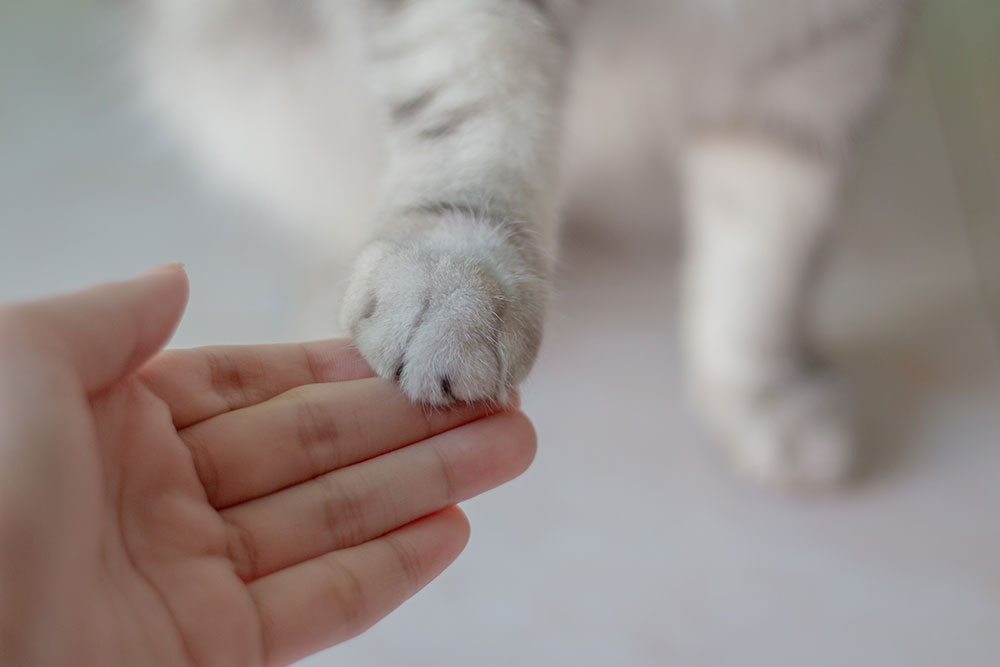
Coping with Pet Loss and Finding Support
Grieving a pet is a deeply personal experience, and it’s okay to feel sad, lost, or even guilty. If you’re struggling, know that you are not alone.
- Cornell University offers pet loss support resources.
- The Association for Pet Loss and Bereavement (APLB) provides grief counseling and online support groups.
Honoring your pet’s memory—through a scrapbook, a memorial, or even planting a tree—can help provide closure and healing.
How Lewiston Veterinary Clinic Supports You
At Lewiston Veterinary Clinic, we are here to:
- Guide you through end-of-life decisions
- Provide pain management and hospice care
- Offer compassionate euthanasia services
- Support you through the grieving process
If you need guidance, we are here to help. Contact us today to discuss your pet’s needs.
Learn more about our team: Meet Our Veterinarians



















Leave A Comment