

The Importance of Floating Teeth in Horses: Why Regular Dental Care Matters
Horses rely on their teeth for proper digestion, nutrition, and overall well-being. However, unlike human teeth, horse teeth continue to grow throughout their lives, making regular dental maintenance essential.
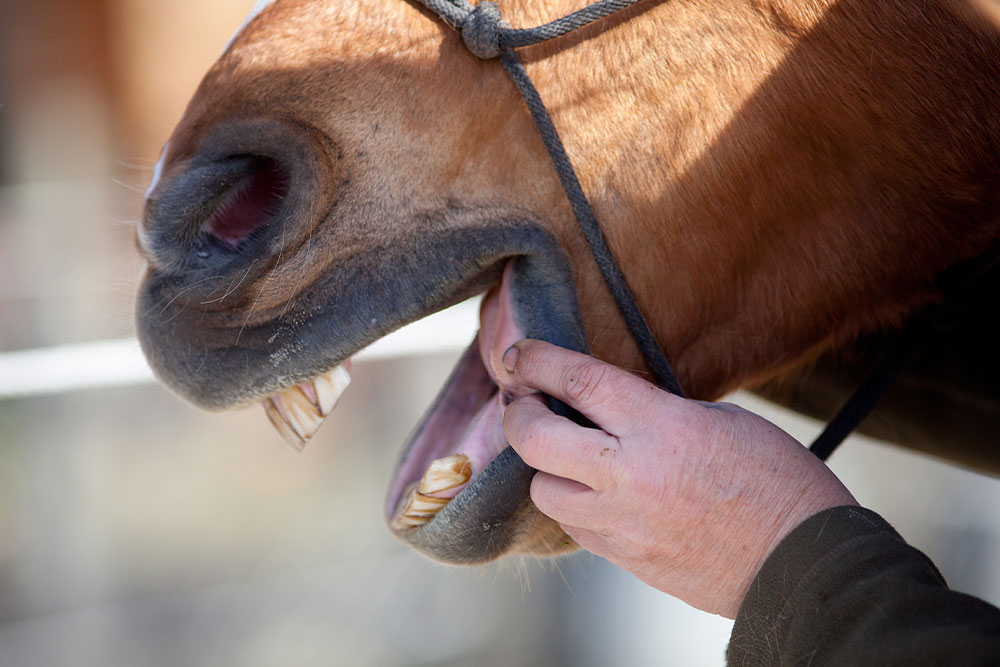
One of the most important aspects of equine dental care is floating—the process of filing down sharp enamel points and correcting uneven wear. Without routine floating, horses can develop painful dental problems, difficulty eating, and behavioral issues.
At Lewiston Veterinary Clinic, we prioritize preventive equine dental care to ensure your horse stays healthy, comfortable, and performing at its best.
How Horse Teeth Work: Why Floating Is Necessary
1. Constant Growth and Wear
Horses have hypsodont teeth, meaning their teeth erupt continuously throughout their lives. This adaptation helps them grind down coarse forage like hay and grass. However, because horses chew in a side-to-side motion, their teeth can develop sharp points and uneven surfaces over time.
2. Where Problems Develop
- Sharp points often form on the outside of the upper teeth and the inside of the lower teeth, which can cause painful ulcers on the cheeks and tongue.
- Uneven wear may lead to hooks, ramps, or waves, making it difficult for a horse to chew properly.
- Over time, these issues can worsen, leading to serious dental disease.
Learn more about how equine teeth function and why they need regular care from Texas A&M Veterinary Medicine.
Signs That Your Horse May Need Floating
Horses instinctively hide signs of pain, making it difficult to detect dental problems until they become severe. However, there are several key signs that may indicate your horse needs a dental exam:
- Dropping feed (quidding) or difficulty chewing
- Weight loss despite a normal diet
- Excessive salivation or foul-smelling breath
- Head tossing, resisting the bit, or difficulty turning
- Unexplained behavioral changes or aggression
Recognizing early signs of dental pain can help prevent serious complications. Learn more about how to identify dental discomfort from Zoetis Equine.
If you notice any of these symptoms, schedule an exam with an equine veterinarian at Lewiston Veterinary Clinic.
How the Floating Procedure Works
1. Evaluating Your Horse’s Dental Health
A thorough dental exam includes:
- Visual inspection of the mouth and jaw for abnormalities.
- Use of a speculum to safely examine all teeth.
- Palpation of the gums to check for sensitivity or swelling.
2. The Floating Process
- Floating is performed using manual rasps (hand floats) or power tools to smooth out sharp points.
- If necessary, malocclusions (misaligned teeth) and overgrowths are corrected.
- Sedation may be used to ensure the horse remains calm and comfortable.
For an in-depth look at how floating improves equine dental health, visit the University of Illinois College of Veterinary Medicine.
3. How Often Should Horses Have Their Teeth Floated?
Most horses need floating every 6 to 12 months, but some may require more frequent care depending on:
- Age (young and senior horses often need more frequent dental check-ups).
- Diet (horses on hay or grain-based diets may wear teeth differently than those on pasture).
- Workload (performance horses with bits in their mouths frequently may require more dental attention).
For personalized equine care recommendations, visit Lewiston Veterinary Clinic’s Equine Services.
The Risks of Neglecting Dental Care
Without regular floating, horses can develop serious health complications, including:
1. Malnutrition and Weight Loss
Horses that struggle to chew properly don’t get enough nutrients, leading to weight loss and poor overall health.
2. Behavioral Problems
Dental pain can cause:
- Head tossing or difficulty accepting the bit.
- Unusual resistance during training.
- Aggression or reluctance to be handled.
3. Colic and Choke
When horses can’t chew properly, they may:
- Swallow larger, unchewed pieces of food, increasing the risk of choke.
- Be more prone to impaction colic, which can be life-threatening.
For more details on the importance of routine dental care, check out this resource from the Oregon Veterinary Medical Association.
Preventive Dental Care: Keeping Your Horse Healthy
The best way to prevent dental problems is through regular check-ups with an experienced equine veterinarian. At Lewiston Veterinary Clinic, we recommend:
- Annual dental exams to catch issues early.
- Routine floating to prevent sharp edges and maintain proper alignment.
- Diet adjustments to support dental health (avoiding excessively hard feeds).
- Observation of eating habits and behavior for early signs of discomfort.
Schedule an Equine Dental Exam Today
Routine floating is a crucial part of your horse’s healthcare plan, ensuring they remain pain-free, well-nourished, and comfortable under saddle.
Taking a proactive approach to equine dental health will keep your horse happier, healthier, and performing at its best for years to come.


















Leave A Comment