

Pet Obesity Awareness and Management Strategies
Pet obesity is one of the most common yet preventable health issues affecting dogs and cats today. According to the Association for Pet Obesity Prevention, an estimated 59% of cats and 55% of dogs in the U.S. are overweight or obese. While a few extra pounds may not seem concerning, obesity can lead to serious health risks, reduced lifespan, and lower quality of life.
At Lewiston Veterinary Clinic, we are committed to helping pet owners understand the risks of obesity, recognize when their pet is overweight, and develop a safe and effective weight management plan.
Why Is Pet Obesity a Serious Problem?
Carrying excess weight increases the risk of numerous health conditions, including:
- Diabetes – Overweight pets are at a higher risk of insulin resistance and diabetes, especially cats.
- Arthritis and Joint Pain – Extra weight puts strain on joints, leading to chronic pain and mobility issues.
- Heart Disease and High Blood Pressure – Excess fat contributes to cardiovascular problems.
- Respiratory Issues – Obese pets may struggle to breathe, especially flat-faced (brachycephalic) breeds.
- Reduced Lifespan – Studies show that overweight pets live up to two years less than their lean counterparts.
The American Animal Hospital Association (AAHA) emphasizes that maintaining a healthy weight is one of the most effective ways to extend a pet’s life.
Is Your Pet Overweight? How to Tell
Many pet owners don’t realize their pet is overweight because weight gain happens gradually. The Body Condition Score (BCS) system helps assess your pet’s ideal weight:
Signs Your Pet May Be Overweight:
- Ribs are difficult to feel under a thick layer of fat.
- No visible waistline when viewed from above.
- Sagging belly or fat deposits around the hips and neck.
- Difficulty exercising or easily getting tired.
If you’re unsure, use the Pet Calorie Calculator to estimate your pet’s daily caloric needs and compare them to their current diet.
Causes of Pet Obesity
Obesity is usually caused by a combination of excess calories and insufficient exercise, but other factors can contribute:
1. Overfeeding and Improper Portion Sizes
- Many pet owners overestimate how much food their pet needs.
- Follow precise feeding guidelines—the AAHA’s guide provides expert recommendations.
2. Too Many Treats and Table Scraps
- Treats should make up no more than 10% of daily calories.
- Human food is often high in fat and unhealthy for pets.
3. Lack of Exercise
- Indoor cats and inactive dogs are at higher risk of obesity.
- Daily structured exercise is key to maintaining a healthy weight.
4. Breed Predisposition
- Some breeds, such as Labrador Retrievers, Pugs, and Maine Coon cats, are more prone to weight gain.
5. Medical Conditions
- Hypothyroidism and Cushing’s disease can cause weight gain in pets. A veterinary exam can rule out medical causes.
How to Safely Help Your Pet Lose Weight
1. Switch to a Measured Feeding Plan
- Use a measuring cup or kitchen scale to ensure proper portion sizes.
- Choose weight management formulas designed for slow, steady weight loss.
- Consult our veterinarians to determine the right calorie intake for your pet’s needs.
2. Increase Daily Exercise
- Dogs: Aim for at least 30-60 minutes of activity per day, including walks, fetch, and interactive play.
- Cats: Use laser pointers, feather wands, and food puzzles to keep them active.
- The AAHA’s feline fitness guide provides practical strategies for keeping cats engaged.
3. Make Mealtime Interactive
- Use slow-feeder bowls or food puzzles to prevent fast eating and overeating.
- Scatter food around the house for “hunting” meals, especially for cats.
4. Choose Healthy Treats
- Swap high-calorie treats for carrots, green beans, or lean meats.
- Limit treats to a few per day and break them into smaller pieces.
5. Schedule Regular Weight Check-Ins
- Weight loss should be slow and steady (1-2% of body weight per week).
- Regular weigh-ins at the clinic help track progress and adjust the plan as needed.
Learn more about effective weight loss strategies from the Association for Pet Obesity Prevention.
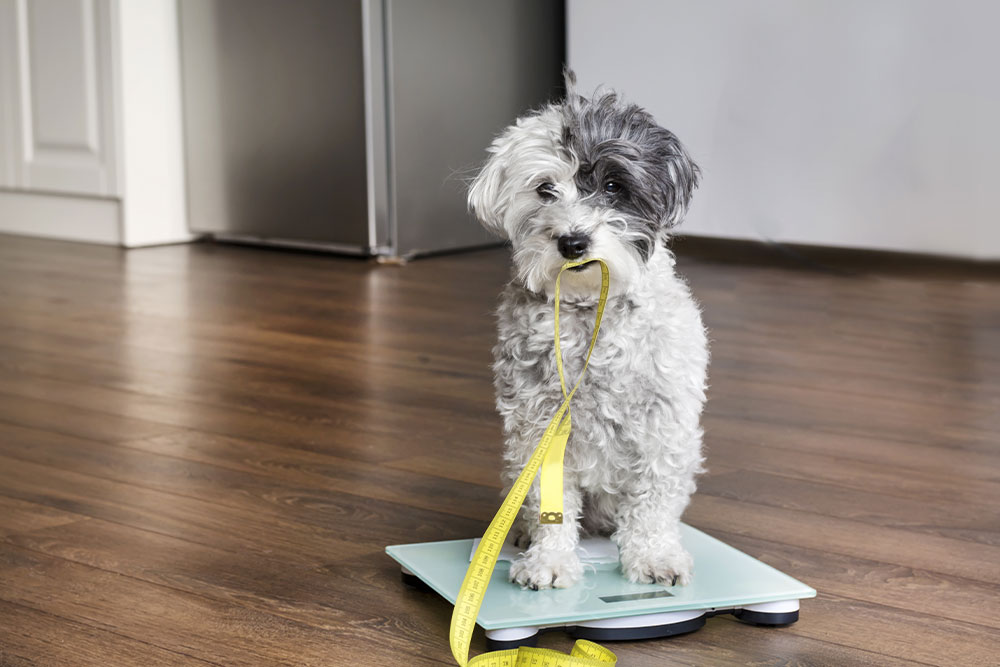
Preventing Obesity in Pets
Preventing weight gain is much easier than reversing obesity. Follow these tips to keep your pet healthy:
- Start young – Establish healthy eating and exercise habits early.
- Stick to a schedule – Feed your pet at the same times each day.
- Choose high-quality food – Select nutritionally balanced diets.
- Stay active together – Daily playtime keeps both pets and owners healthier.
At Lewiston Veterinary Clinic, we can create a personalized weight management plan tailored to your pet’s specific needs.
Concerned about your pet’s weight? Schedule a wellness exam today: Book an Appointment
Meet our veterinary team: Learn More












Leave A Comment