
Strong Hooves, Strong Horse: The Importance of Proper Hoof Care
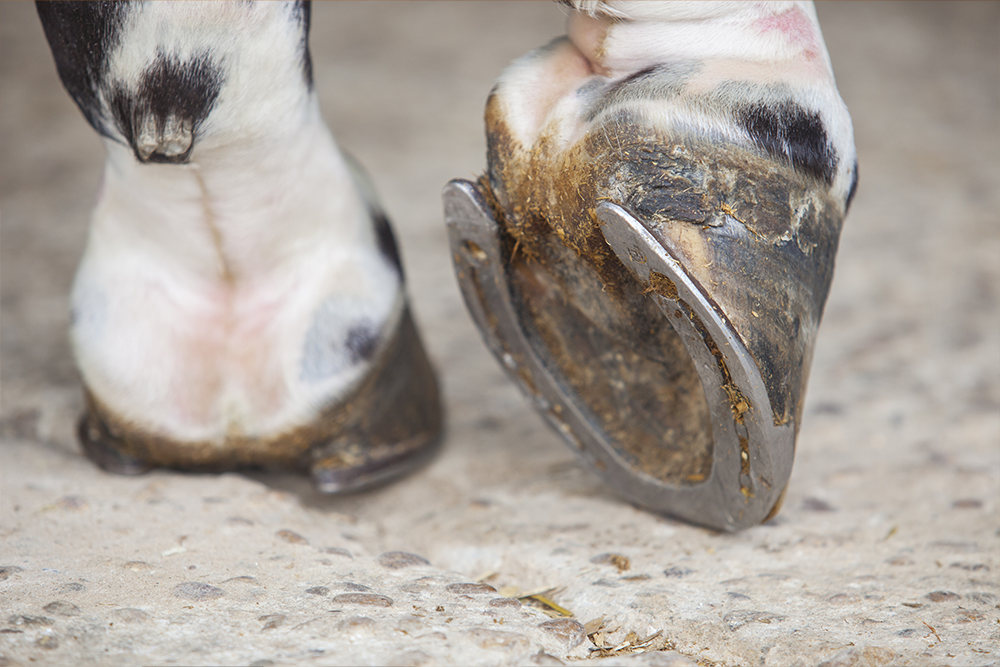
Healthy hooves are the foundation of equine wellness. Overgrown or unbalanced hooves can lead to lameness, abscesses, and long-term joint strain. Regular farrier visits, clean stabling, and balanced nutrition keep horses sound and ready to perform.
Whether you manage a single trail horse or an entire stable, understanding hoof health protects your investment and preserves your horse’s quality of life. At Lewiston Veterinary Clinic, our equine care team provides comprehensive support for horses and livestock throughout our service area, combining veterinary expertise with practical management guidance to keep working animals healthy and performing at their best.
Why Hoof Health Determines Overall Performance
The saying “no hoof, no horse” reflects an essential truth in equine management. Every aspect of a horse’s movement, balance, and comfort depends on the integrity of their hooves.
Understanding Basic Hoof Structure and Function
A horse’s hoof is a complex structure designed to absorb shock, provide traction, and support the animal’s entire body weight. The hoof wall acts as a protective barrier, while the sole provides ground contact and protects internal structures. The frog, a V-shaped cushion on the bottom of the hoof, aids in circulation and shock absorption. The white line, where the hoof wall meets the sole, serves as a critical indicator of hoof health and proper trimming angles.
When any component becomes compromised, the entire system suffers. Imbalanced hooves alter weight distribution across joints, leading to compensatory strain in the legs, shoulders, and back. Caring for your horse’s hooves requires understanding how these structures work together to support soundness.
Our equine wellness care includes routine hoof evaluations as part of comprehensive equine health assessments, helping owners identify problems before they cause lameness.
Factors That Influence Hoof Quality and Strength
Multiple variables affect whether a horse develops strong, resilient hooves or struggles with chronic problems. Genetics play a role, but management decisions often determine outcomes.
Nutritional Building Blocks for Healthy Hooves
Hoof quality begins from the inside out. Proper nutrition of equine hoof health requires adequate protein, minerals, and specific vitamins that support keratin production and hoof wall integrity.
Biotin, a B-vitamin, strengthens hoof structure and improves growth rates in horses with weak or cracked hooves. Zinc and methionine contribute to protein synthesis and tissue repair. Copper supports connective tissue formation, while adequate protein intake provides the amino acids necessary for building strong hoof walls.
Deficiencies in any of these nutrients manifest as brittle hooves, slow growth, or chronic cracking. Our nutritional counseling helps horse owners develop feeding programs that support optimal hoof health alongside overall performance needs.
How Environment and Seasons Affect Hoof Condition
Weather and footing dramatically impact hoof health. Understanding environmental factors affecting hoof health helps owners anticipate and prevent problems throughout the year.
Excessive moisture softens hoof tissue, making horses vulnerable to thrush and white line disease. Conversely, prolonged dry conditions cause hooves to become brittle and prone to chipping. Temperature fluctuations stress hoof tissue, and frozen ground increases concussion forces during movement.
Different seasonal hoof health challenges require adjusted management strategies. Spring mud demands vigilant cleaning and dry standing areas. Summer heat necessitates moisture supplementation to prevent excessive drying. Fall transitions require monitoring for abscesses as horses move between wet and dry conditions. Winter freezing creates ice accumulation in hooves and increases injury risk from hard, uneven ground.
Proper stable management, including clean, dry bedding and appropriate turnout surfaces, protects hooves year-round. When environmental conditions threaten hoof health, our team provides guidance on protective measures and treatment options.
Recognizing and Addressing Common Hoof Problems
Early detection of hoof problems prevents minor issues from becoming career-ending lameness. Knowing what to look for helps owners seek veterinary attention before permanent damage occurs.
Identifying Hoof Diseases and Structural Issues
Several hoof problems in horses appear frequently across all disciplines and management systems.
Thrush, a bacterial infection of the frog, produces a characteristic foul odor and black discharge. Left untreated, it erodes deep into sensitive tissue, causing pain and lameness. Hoof abscesses develop when bacteria enter through cracks or punctures, creating painful pressure pockets that cause sudden, severe lameness. Hoof wall cracks range from superficial chips to deep fissures that compromise structural integrity and allow infection to enter.
White line disease occurs when bacteria or fungi invade the junction between the hoof wall and sole, creating hollow areas that weaken the hoof. Laminitis, an inflammatory condition affecting the laminae that attach the hoof wall to the coffin bone, represents one of the most serious hoof emergencies.
Our diagnostic services include radiography and ultrasound to evaluate internal hoof structures when lameness or swelling suggests deeper problems. Early intervention often means the difference between rapid recovery and chronic disability.
Genetic Predispositions and Developmental Concerns
Some horses inherit structural weaknesses that increase their vulnerability to hoof problems. Genetic hoof problems in horses include conditions like club feet, contracted heels, and thin-walled hooves that require specialized management throughout the horse’s life.
Young horses face unique challenges as their hooves develop. Proper foal hoof care establishes the foundation for lifelong soundness. Developmental orthopedic diseases, angular limb deformities, and growth-related imbalances require early veterinary assessment and corrective trimming to prevent permanent problems.
Our equine care team evaluates foals and young horses to identify conformation issues early, working with owners and farriers to implement corrective strategies during critical growth periods.
Building an Effective Hoof Care Program
Consistent maintenance prevents most hoof problems and catches developing issues before they cause lameness. A successful program combines professional expertise with daily owner vigilance.
Establishing Regular Farrier Care and Choosing the Right Professional
Selecting a farrier represents one of the most important decisions horse owners make. Qualified farriers understand anatomy, biomechanics, and pathology, allowing them to balance hooves correctly and recognize problems requiring veterinary attention.
Most horses require trimming or shoeing every six to eight weeks, though individual needs vary based on growth rate, workload, and hoof quality. Regular schedules prevent overgrowth and maintain proper angles that support healthy movement.
The decision between barefoot vs. shod horses depends on individual factors including hoof quality, work demands, and terrain. Some horses thrive barefoot with proper trimming and conditioning, while others require shoes for protection or therapeutic support. Working closely with both your veterinarian and farrier ensures decisions serve your horse’s specific needs.
Supporting Hoof Health with Topical Products and Supplements
Beyond regular trimming, topical hoof treatments provide additional protection and conditioning. Hoof oils and moisturizers prevent excessive drying in arid climates, while antimicrobial preparations help manage thrush and other infections. Hoof sealants protect against excessive moisture absorption in wet conditions.
Dietary supplements containing biotin, methionine, and other hoof-supporting nutrients benefit horses with chronic hoof quality issues. However, supplements work slowly, requiring several months of consistent use before visible improvement appears in the hoof wall.
Our team helps owners evaluate whether topical treatments or supplements would benefit their horses and provides guidance on appropriate products and application methods.
When Hoof Problems Become Veterinary Emergencies
Some hoof conditions require immediate veterinary attention to prevent permanent damage or life-threatening complications.
Severe lameness, particularly when a horse refuses to bear weight on a limb, demands urgent evaluation. Sudden changes in hoof appearance, including unusual swelling, heat, or digital pulses, indicate active inflammation requiring prompt treatment. Founder in horses, also called laminitis, causes excruciating pain and can permanently damage the connection between the hoof wall and coffin bone if not treated aggressively within hours of onset.
Puncture wounds to the sole or frog create pathways for deep infection, potentially reaching joints or bone. Any penetrating injury requires immediate veterinary assessment, radiography to evaluate depth, and often surgical exploration to prevent catastrophic complications.
At Lewiston Veterinary Clinic, we provide emergency services for urgent problems, with after-hours on-call availability for large animal emergencies. Our mobile units bring diagnostic and treatment capabilities directly to your farm when horses cannot safely travel.
Partnering with Your Veterinary Team for Long-Term Hoof Health
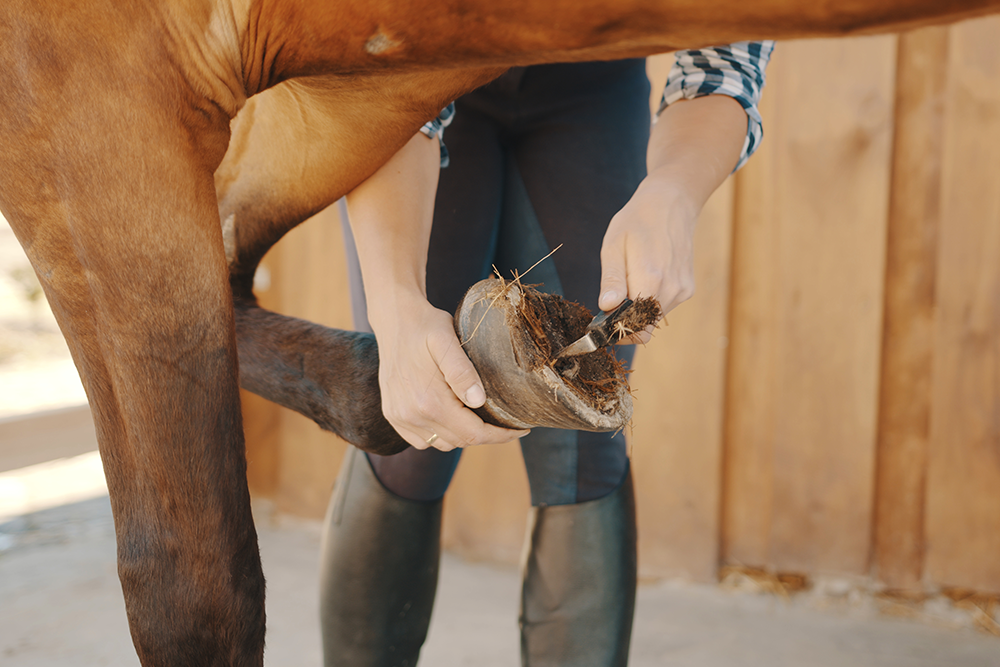
Successful hoof care requires collaboration between horse owners, farriers, and veterinarians. Regular communication ensures everyone understands the horse’s history, current status, and management goals.
Routine veterinary examinations catch subtle changes before they progress to lameness. Our team works alongside your farrier to address complex cases requiring coordinated medical and mechanical intervention, from laminitis rehabilitation to navicular disease management.
Whether you need routine wellness support, nutritional guidance, diagnostic imaging, or emergency treatment, Lewiston Veterinary Clinic provides comprehensive equine care built on expertise, compassion, and practical understanding of working animals’ needs.
Strong hooves truly do make strong horses. Invest in prevention, respond quickly to problems, and partner with professionals who understand that your horse’s soundness affects your livelihood, recreation, and partnership.
Contact us or request an appointment to discuss your horse’s hoof health and develop a customized care plan that keeps them sound for years to come.











Leave A Comment