

Routine blood work is one of the most effective preventive care tools we have for your pet. Just as humans rely on regular blood tests to monitor health, pets benefit from routine blood work to catch early signs of disease and assess their overall well-being. At Lewiston Veterinary Clinic, we strongly recommend regular blood testing as part of your pet’s wellness routine. In this article, we will explore the importance of routine blood work, the different types of tests, and how they can help detect potential health issues before they become serious.
What Does Routine Blood Work Involve?
Routine blood work is a comprehensive set of tests that provide a snapshot of your pet’s internal health. These tests are typically conducted during annual or semi-annual wellness visits, but they can also be ordered if your pet is showing signs of illness. The primary components of routine blood work include:
 Complete Blood Count (CBC): This test measures the levels of red blood cells, white blood cells, and platelets in your pet’s blood. Abnormalities in the CBC can indicate infection, inflammation, anemia, or other health conditions.
- Blood Chemistry Panel: This test evaluates the levels of enzymes, electrolytes, and waste products in your pet’s blood. It helps assess the function of vital organs such as the liver, kidneys, and pancreas. Changes in these levels can point to conditions like diabetes, liver disease, or kidney disease.
- Thyroid Function Test: Especially important for older pets, this test measures thyroid hormone levels to check for hyperthyroidism or hypothyroidism, both of which can significantly affect your pet’s health.
Why Is Routine blood work Important?
Routine blood work provides vital information about your pet’s health that might not be apparent at home or even through a physical exam with your veterinarian. Many health conditions, such as kidney disease, liver dysfunction, and diabetes, may not show visible symptoms until the conditions are more advanced. Regular blood tests help identify these problems early, allowing for timely intervention and treatment.
Key Benefits of Routine Blood work:
- Baseline Health Information: Blood work conducted during your pet’s healthy years provides a baseline that we can compare to future tests. This makes it easier to identify subtle trends and changes in your pet’s health over time.
- Early Disease Detection: Catching diseases in their early stages can improve treatment outcomes and extend your pet’s life. Blood work allows us to detect conditions like anemia, infections, and metabolic disorders before they become severe.
- Monitoring Chronic Conditions: If your pet has a chronic condition, such as diabetes or kidney disease, routine blood work helps monitor how well they are responding to treatment and whether any adjustments need to be made to their treatment plan.
When Should Your Pet Have Routine Blood Work?
The frequency of routine blood work depends on your pet’s age, breed, and health status. Below are general guidelines for when routine blood work should be performed:
- Adult Pets: For healthy adult pets, annual blood work is recommended to monitor their health and catch any potential problems early.
- Senior Pets: Older pets are at a higher risk for developing diseases such as kidney failure, liver disease, and thyroid imbalances. Senior pets should have blood work done every 6 months to closely monitor their health and address any concerns promptly.
Pre-Anesthetic blood work for Safe Surgeries
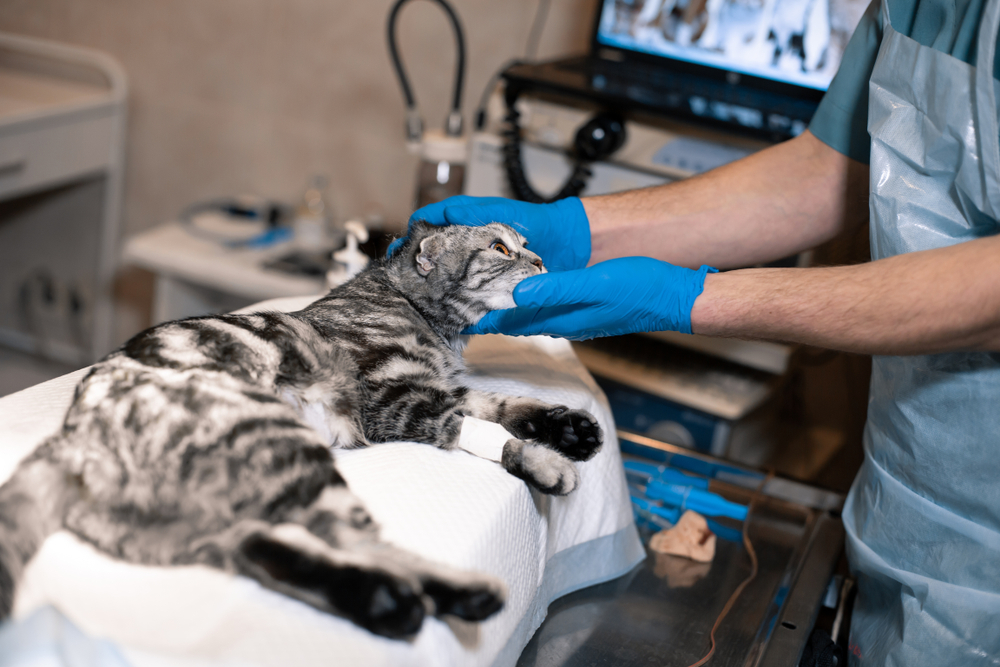
If your pet needs surgery or dental work, pre-anesthetic blood work is essential to ensure their safety. This type of blood work helps determine how well your pet’s organs are functioning and whether they can safely handle anesthesia. At Lewiston Veterinary Clinic, we always perform pre-anesthetic blood tests to check for any underlying issues that could complicate the procedure.
- Liver and Kidney Function: These organs process anesthesia, so it’s critical to ensure they’re functioning properly before surgery.
- Clotting Ability: blood work also checks your pet’s ability to clot, reducing the risk of excessive bleeding during the procedure.
Conclusion
Routine blood work is an invaluable tool in keeping your pet healthy and catching potential issues before they become serious. Whether your pet is young, adult, or senior, regular blood tests provide critical insights into their health and allow for early diagnosis and treatment of illnesses. At Lewiston Veterinary Clinic, we are committed to providing top-notch preventive care, including routine blood work, to help your pet live a long and healthy life. If your pet is due for a wellness visit or have’t had blood work performed in the past year, contact us today to schedule an appointment and so we can take a peek at what their blood is telling us about their health.
























Leave A Comment