
Allergies in Pets and Horses: Understanding the Spectrum From Itchy Skin to Anaphylaxis
You might notice it as a cluster of raised bumps on your dog’s belly after a romp through the field, or your cat’s face swelling up after they tried to catch a bee and ended up with a sting instead. Sometimes it is a horse breaking out in welts along the neck after a change in hay. It could just be the endless licking and chewing of paws as your pet tries to relieve the itch that won’t quit. Allergic reactions do not always announce themselves the same way twice, and the gap between “that looks uncomfortable” and “we need a vet right now” can close faster than you might expect.
At Lewiston Veterinary Clinic, we treat allergic reactions in pets, horses, and livestock, ranging from mild seasonal itching to urgent anaphylaxis, a life-threatening reaction that affects the whole body. When those reactions occur when we’re closed, our on-call team is available for after-hours emergencies until 10pm Monday-Saturday. Contact us at (208) 743-6553 if you’re worried- we’re here to help.
What Triggers Allergic Reactions in Pets and Horses?
The immune system is built to eliminate real threats. In allergic animals, it overreacts to substances that are genuinely harmless, and that overreaction produces the symptoms you observe. Triggers generally fall into three main categories:
- Environmental allergens: Environmental allergens including pollens from grasses, trees, and weeds are prevalent along the Clearwater River corridor and throughout the Lewiston area. Dust mites, mold, and hay dust round out the picture for horses and indoor pets. These triggers tend to produce seasonal patterns that often worsen each year without management. Certain breeds are more predisposed, including Golden Retrievers, Labrador Retrievers, West Highland White Terriers, Bulldogs, and American Cocker Spaniels.
- Food proteins: Food proteins such as chicken, beef, dairy, and wheat are common culprits in dogs and cats and can trigger immune reactions at any age, even in pets that have eaten the same food for years without issue. Food allergies tend to produce non-seasonal, year-round symptoms rather than the wax-and-wane pattern typical of environmental triggers.
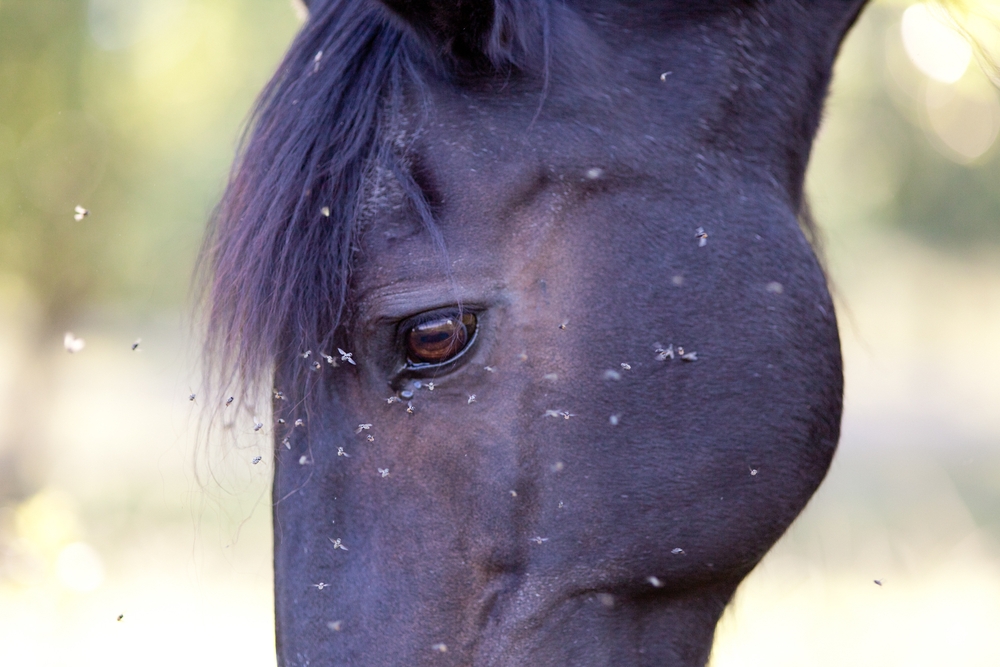
- Insects and parasites: Flea saliva is among the most sensitizing allergens in companion animals. In flea-allergic pets, a single bite can produce intense, widespread itching even when no fleas are visible at the time of examination. Biting insects including mosquitoes, gnats, and flies are a significant trigger for horses, particularly in the spring and summer months when outdoor exposure is highest. Bee and wasp stings cause some of the most dramatic acute reactions across all species.
Vaccine and Medication Reactions
Vaccination reactions are uncommon but worth understanding. Most significant reactions appear within 30 to 60 minutes after vaccination.
Mild and expected:
- Temporary lethargy or low-grade fever for 24 to 48 hours
- Soreness or mild swelling at the injection site
Requires same-day evaluation:
- Facial swelling or hives within an hour of vaccination
- Vomiting shortly after the appointment
- Lethargy that is more pronounced or lasts beyond 48 hours
For pets with prior vaccination reactions, we can modify protocols including pre-medication or staggering vaccines across separate visits. Always share your pet’s reaction history before any vaccine appointment.
The Allergy Spectrum: From Mild Itch to Whole-Body Emergency
Not all allergic reactions look or act the same, and the level of urgency depends heavily on which symptoms are present and how quickly they are progressing.
Reactions to watch but aren’t an emergency:
- Skin reactions in dogs, including itching at the paws, ears, belly, and rear, are the most common presentation of environmental and food allergies in dogs. Persistent scratching and licking can cause secondary infections, hot spots, and thickened skin over time. These cases are not emergencies, but they are not something to leave unmanaged either.
- Allergic skin disease in cats can look quite different. Overgrooming– excessive licking that causes thinning fur or bald patches, most often along the belly and inner legs- is a common but easy-to-miss sign that a cat is reacting to something in their environment or diet. Cats can also develop miliary dermatitis, a pattern of small, crusty scabs scattered across the back, neck, and base of the tail that is frequently triggered by flea allergy but can also result from food or environmental sensitivities. A third presentation is eosinophilic granuloma complex, a group of skin lesions that includes raised pink plaques, lip ulcers, and linear erosions along the thighs.
- Contact hypersensitivity can occur if an animal is allergic to a laundry detergent, cleaning spray, or shampoo. Rashes and redness of areas with less hair, like bellies and armpits, are a common side effect. Topical products including shampoos, fly sprays, and blanket treatments can all provoke reactions in sensitive horses.
Reactions that might need urgent care today:
- Hives (urticaria) appear as raised, itchy welts on the skin after allergen exposure. They are uncomfortable and worth treating, but typically not immediately dangerous on their own. Hives can, however, signal that a more significant reaction is developing, particularly when they appear alongside facial swelling or behavioral changes. Hives in horses appear as raised, fluid-filled bumps that can develop across the neck, shoulders, and body within hours of allergen exposure. They are often more dramatic in appearance than they are dangerous, but they can signal the beginning of a more serious reaction and should be evaluated rather than watched from a distance.
- Respiratory allergy symptoms including sneezing, coughing, and watery eyes tend to develop gradually and can be confused with infections. They warrant evaluation but usually allow time to schedule a regular appointment rather than requiring emergency care. In cats, allergies can trigger more severe asthma or allergic bronchitis, which does require more urgent evaluation. If your pet is having any difficulty breathing, have them seen promptly.
- Swollen paws and faces from a bee or wasp sting or fire ants are an unfortunate side effect of too-curious pets. If the swelling occurs without any additional respiratory symptoms or vomiting, having them seen same-day is a good idea. If they vomit or develop any of the signs of anaphylaxis (below), move fast.
Reactions that mean to the vet NOW:
- Anaphylaxis in dogs is a severe, whole-body reaction that develops within minutes of exposure. Blood pressure drops rapidly, airways narrow, and tissues throughout the body are deprived of adequate oxygen. Dogs often present with vomiting, diarrhea, and sudden collapse more than the respiratory distress pattern typical in people. Anaphylaxis in cats frequently shows as respiratory distress and open-mouth breathing, which is always an emergency in a cat regardless of the cause.
Warning Signs: When to Act Immediately
Come in or call (208) 743-6553 right away:
- Facial, lip, or throat swelling appearing quickly after known exposure
- Difficulty breathing, labored respiration, or open-mouth breathing in a cat
- Sudden collapse or extreme weakness
- Pale or white gums
Evaluate the same day:
- Hives without other concerning signs
- Sudden intense itching across the body, especially if your pet is self-traumatizing to relieve the itch
- Vomiting within an hour of a bee sting, vaccines, or other allergen exposure
Our small animal on-call team is available Monday through Friday 5pm to 10pm and Saturdays noon to 10pm at (208) 743-6553. For severe emergencies outside those hours, Washington State University Veterinary Teaching Hospital in Pullman is a nearby option for specialized emergency care.
What to Do While Getting to Us
- Remove the suspected trigger if identifiable and safe to do so
- Rinse your pet or horse in cool water if they’re reacting to something they contacted, like environmental allergens or a new shampoo
- Keep your pet calm and still to slow the spread of allergens through the body
- Prevent self-trauma with a cone (e-collar)
- Document the situation: when symptoms started, what exposure occurred, and how signs are changing
- Call ahead so our team can prepare for your arrival
Do not give any medication without calling first. Some antihistamine formulations are safe for pets at specific doses, but others contain decongestants that are dangerous. Ask us before giving anything.
How Acute Reactions Are Treated
Mild reactions (hives, localized swelling):
Antihistamines reduce the histamine-driven component. Corticosteroids reduce broader inflammation. Most mild reactions resolve well with a single visit and monitoring at home afterward.
Anaphylaxis:
Epinephrine is the critical first-line medication, rapidly reversing airway narrowing and restoring blood pressure. IV fluids support circulation. Oxygen supplementation supports respiratory distress. Corticosteroids and antihistamines are given to prevent the continued inflammatory cascade. Anaphylaxis can have a biphasic presentation where a pet appears to recover and then deteriorates again hours later, which is why monitoring after apparent resolution is essential.
How Chronic Allergic Skin Disease Is Treated
Chronic allergic disease requires more than itch control alone. Anti-itch medications, corticosteroids for flares, and topical therapies all play a role in day-to-day management. Secondary infections are common and need to be addressed alongside the allergy itself. Skin and ear cytology identifies which organisms are involved so treatment is targeted rather than guessed at. Ear infections in particular recur in allergic pets unless the underlying allergy is also controlled- treating the infection without managing the allergy is treating the symptom, not the cause.
Prevention: The Better Strategy
Effective allergy management for most pets requires layering multiple strategies. No single treatment handles every aspect of allergic disease.
Grooming and Topical Support
Regular grooming removes environmental allergens from the coat before they are absorbed or licked off. After outdoor time in fields or wooded areas, a rinse or wipe-down meaningfully reduces the allergen load. Topical therapies for allergic skin including medicated shampoos should be left in contact with the skin for at least 10 minutes before rinsing to be effective. Sprays and mousses can be used between baths to extend that support without a full wash.
Ear cleaning with a veterinary-approved solution is an important part of the routine for allergic pets, since ear infections follow closely behind skin flare-ups. It is also worth keeping an eye on anal glands in allergic pets, as surrounding skin inflammation can contribute to anal gland problems that seem unrelated.
Our pharmacy carries a wide range of skin support products:
- Epi-Soothe Shampoo, DermAllay Oatmeal Shampoo, DermAllay Oatmeal Spray Conditioner for gentle skin support
- DOUXO S3 CALM Shampoo and DOUXO S3 CALM Mousse for more itchy, reactive skin
Parasite Prevention
Flea allergy dermatitis is triggered by flea saliva, and in allergic pets a single bite is enough to produce significant reaction. Year-round parasite prevention is essential for any allergic pet. In northern Idaho where dogs, horses, and livestock spend significant time outdoors throughout the year, gaps in prevention have real consequences for the whole household.
Check out our favorites in our online pharmacy:
Prescription Allergy Management
There are several great options for helping to stop the itch for pets with chronic allergies. Apoquel targets the itch pathway directly for fast, specific relief. Atopica provides immune modulation for chronic atopic dermatitis. Cytopoint injectable antibody therapy blocks the itch signal for four to eight weeks per dose. Corticosteroids work well for short-term flares but carry side effects with prolonged use, which is why they are generally not the foundation of long-term allergy management. For pets with a known risk of anaphylaxis to bee stings, having a veterinarian-prescribed epi-pen on hand may be wise. Ask us what we’d recommend for your pet.
Allergy Testing and Immunotherapy
For pets with significant, recurring environmental allergies, allergy testing identifies the specific triggers through blood testing or intradermal skin testing. Saliva-based tests sold online have not been proven accurate and are not recommended. Once triggers are identified, immunotherapy– either injected or sublingual- gradually reduces the immune system’s reactivity to those triggers over time, offering more durable control than medication alone and reducing long-term drug needs.
Food Allergy Identification and Diet Support
Food allergies require an elimination diet trial for accurate diagnosis. A novel or hydrolyzed protein diet is fed strictly for 8 to 12 weeks with nothing else consumed. Elimination diet trials require full commitment, but they provide a definitive answer that guides long-term feeding decisions. Our wellness care visits can help you design and monitor the trial.
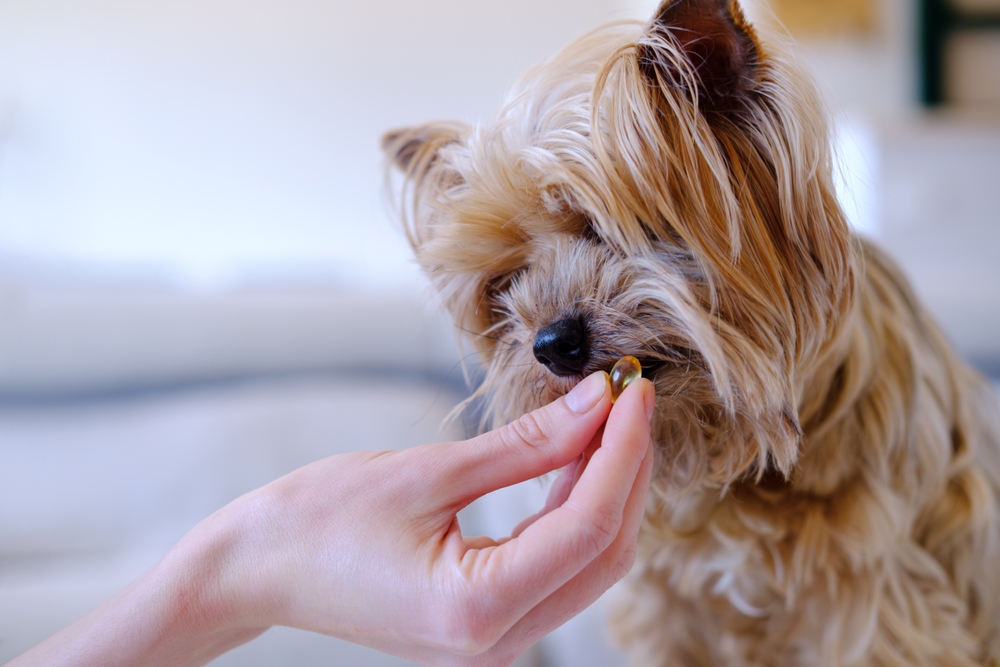
Omega fatty acid supplements support skin barrier health and reduce underlying inflammation, making them a useful addition for most allergic pets alongside dietary management.
Check out these options:
- Dermoscent Essential 6 Spot-On and skin supplements for fatty acid support
- Skin-supporting dog and cat diets build healthy skin from the inside out
Allergy Treatments for Horses
Managing equine allergies through the spring and summer season involves insect control, environmental adjustments, and sometimes medication. Fly sheets and masks reduce skin contact with biting insects. Switching hay or bedding can address dust and mold exposure. Antihistamines and corticosteroids are used for acute flare-ups, and identifying the specific trigger is the most reliable long-term strategy.
Check out some of the options for equine allergy management in our pharmacy:
- Skin and allergy supplements for horses
- Soothing anti-itch shampoo
- Anti-itch spray plus insect repellant
Signs that warrant prompt evaluation in a horse:
- Rapidly spreading hives covering large body areas
- Swelling around the face, muzzle, or eyes
- Labored breathing or nostril flaring alongside skin changes
- Significant behavioral changes such as distress, restlessness, or reluctance to move
- Hives that do not begin to improve within a few hours
Our equine care services include evaluation and management of allergic skin conditions alongside the full range of equine health needs. If your horse is breaking out in hives or showing signs of a reaction, call us at (208) 743-6553 for same-day guidance.
Frequently Asked Questions
Can I give Benadryl to my pet at home?
Call us first. Plain diphenhydramine is safe for many pets at specific doses, but other formulations with decongestants are not, and some can cause serious harm. Antihistamines also do not reverse anaphylaxis and should never substitute for veterinary evaluation when significant swelling, vomiting, or breathing changes are present.
How do I prevent reactions to insect stings?
There is no vaccine for dogs or cats against insect venom allergy. For pets with a known severe reaction history, having a conversation with our team about preparedness options is worthwhile before spring outdoor season begins.
Why does my allergic pet need more than one treatment?
Allergic disease involves multiple pathways at once: immune overreaction, skin barrier breakdown, secondary infection, and chronic inflammation. A medication that controls itch does not resolve a skin or ear infection. Parasite prevention does not address pollen exposure. Most allergic pets do best with a layered plan that addresses each contributing factor, which is why we typically discuss combinations rather than relying on a single drug.
Ready When You Need Us
Allergic reactions are a regular part of what we see in Lewiston’s outdoor-active community, and our team is equipped to handle them across species and severity levels. Whether your dog picked up something in the fields along the Clearwater, your cat reacted to a flea bite, or your horse has broken out in hives ahead of a long summer season, we take the full scope of what you bring through our doors seriously.
Request an appointment for allergy evaluation, or call (208) 743-6553 for same-day guidance. Our team provides a deeper kind of care for every animal in our community, large or small, pasture-dwelling or couch-surfing.



Leave A Comment