
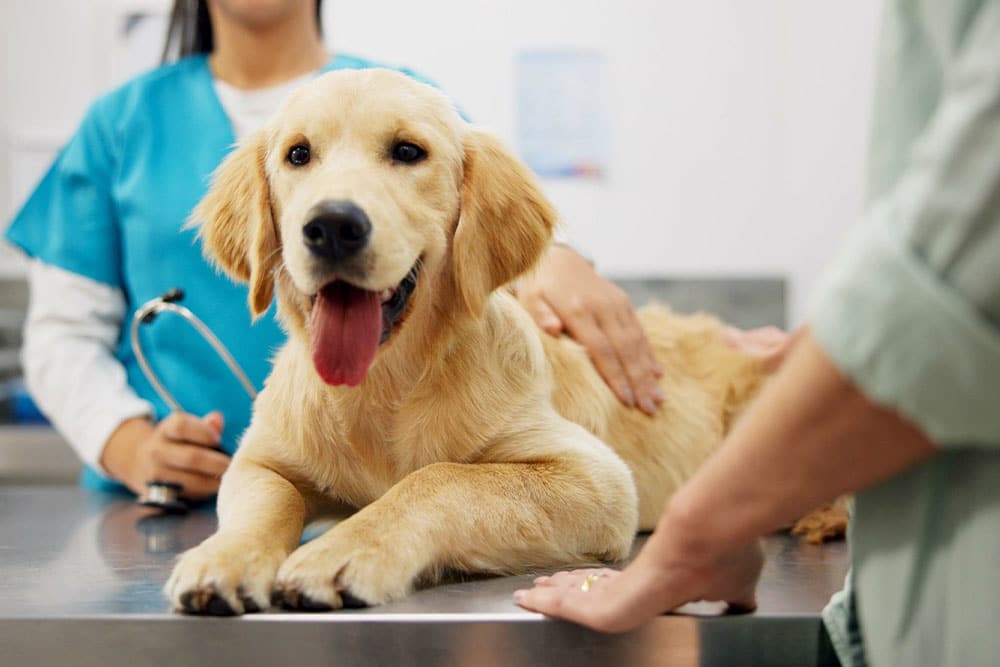
When your dog or cat is diagnosed with heart disease, the medication plan can feel overwhelming, not because it’s impossibly complex, but because the terminology is unfamiliar and the stakes feel high. Pimobendan, diuretics, ACE inhibitors: these drugs work together to support a heart that’s struggling to pump efficiently, and each one addresses a different part of the problem. The clients who manage their pets’ cardiac conditions best are the ones who understand what they’re giving and why, and what signs might indicate the plan needs to be adjusted.
Lewiston Veterinary Clinic serves companion animals and working animals across the Lewiston area with what we call a deeper kind of care, uncompromising in quality and grounded in community. Request an appointment or contact us to talk through your pet’s cardiac care.
Types of Heart Disease in Dogs and Cats
The specific cardiac diagnosis shapes the entire treatment plan. Dogs with mitral valve disease and cats with hypertrophic cardiomyopathy share some medications and not others, because the mechanical problems they face are different. Congenital heart disorders can occur in both species, while certain acquired conditions are far more common in one or the other.
Common Heart Conditions in Dogs
- Mitral valve disease: the most common cardiac condition in dogs, particularly in small breeds. The valve between the left atrium and left ventricle gradually thickens and leaks, allowing blood to flow backward with each heartbeat. Cavalier King Charles Spaniels, Dachshunds, Chihuahuas, Toy Poodles, and many other small breeds are predisposed.
- Dilated cardiomyopathy (DCM): involves enlargement and weakening of the heart muscle. Doberman Pinschers, Boxers, Great Danes, Irish Wolfhounds, and Cocker Spaniels are commonly affected.
- Arrhythmias: include irregular heart rhythms that can occur with or without underlying structural disease, more common in Boxers.
- Sick sinus syndrome: affects the heart’s natural pacemaker, producing pauses in the rhythm. Miniature Schnauzers and West Highland White Terriers are commonly affected.
Common Heart Conditions in Cats
- Hypertrophic cardiomyopathy (HCM): by far the most common cardiac disease in cats. The heart muscle thickens, reducing the chamber size and the heart’s ability to fill properly. Maine Coons, Ragdolls, and Persians are predisposed, but any cat can be affected.
- Dilated cardiomyopathy: has become much less common since taurine deficiency was identified as a key cause and corrected in commercial diets, but it still occurs.
- Restrictive cardiomyopathy: involves stiffening of the heart muscle that prevents normal filling.
- Arrhythmias: can occur primarily or secondary to other cardiac conditions.
Cats hide cardiac symptoms even more effectively than dogs. Many cats have advanced disease before any noticeable signs appear, which is one reason routine veterinary exams matter so much.
How Do You Recognize Cardiac Symptoms at Home?
Early Warning Signs
Heart disease signs are often subtle at first, especially because pets compensate well for gradually declining function.
In dogs:
- Reduced exercise tolerance (slowing on walks, needing more breaks)
- Coughing, particularly at night or after lying down
- Faster breathing at rest
- Weight loss, especially loss of muscle mass
- Decreased appetite
- Fainting or collapse, particularly during excitement or exercise
- Restlessness at night
In cats:
- Panting, which is almost always a serious sign in cats (unlike dogs)
- Lethargy or decreased activity
- Decreased appetite
- Hiding more than usual
- Weight loss
- Sudden hindlimb weakness or paralysis (an emergency known as a saddle thrombus)
- Collapse
Urgent Signs That Need Immediate Care
These signs need immediate veterinary evaluation:
- Respiratory distress including labored breathing, breathing with the elbows away from the body, or significant abdominal effort with breathing
- Open-mouth breathing in cats, which is rarely normal and often indicates serious disease
- Resting respiratory rate above 40 breaths per minute when your pet is calm
- Pale or blue gums indicating poor oxygenation
- Collapse or sudden weakness
- Inability to lie down comfortably, with your pet repeatedly standing or sitting up
Our emergency services are available during open hours, with on-call coverage in the evenings and weekends. Call ahead so we can prepare for arrival.
Why Does Early Detection Matter for Heart Disease?
Heart disease caught early and managed proactively produces better outcomes than disease identified only after symptoms appear. The shift in cardiac care over the past decade has been toward starting treatment before symptoms appear and long before congestive heart failure develops, because doing so significantly delays the onset of clinical signs and extends survival time.
Routine wellness exams matter most for senior pets, where the chance of finding a murmur or other early cardiac change is highest. Our wellness care includes thorough cardiac auscultation as part of every visit. Preventive testing for senior pets often catches early cardiac changes through screening bloodwork. ProBNP testing is a blood test that measures a hormone released by stretched cardiac muscle. Elevated levels can indicate underlying heart disease before clinical signs appear, and the test is particularly useful in screening senior cats.
A heart murmur found incidentally during a preventive care visit isn’t always cause for alarm, but it’s always worth investigating. Some murmurs are benign; others are the first sign of significant disease. Determining which requires further evaluation.
How Are Cardiac Medications Chosen for Your Pet?
Treatment decisions are based on diagnostic findings rather than just the presence of a murmur. The key tools used to characterize heart disease and guide prescribing:
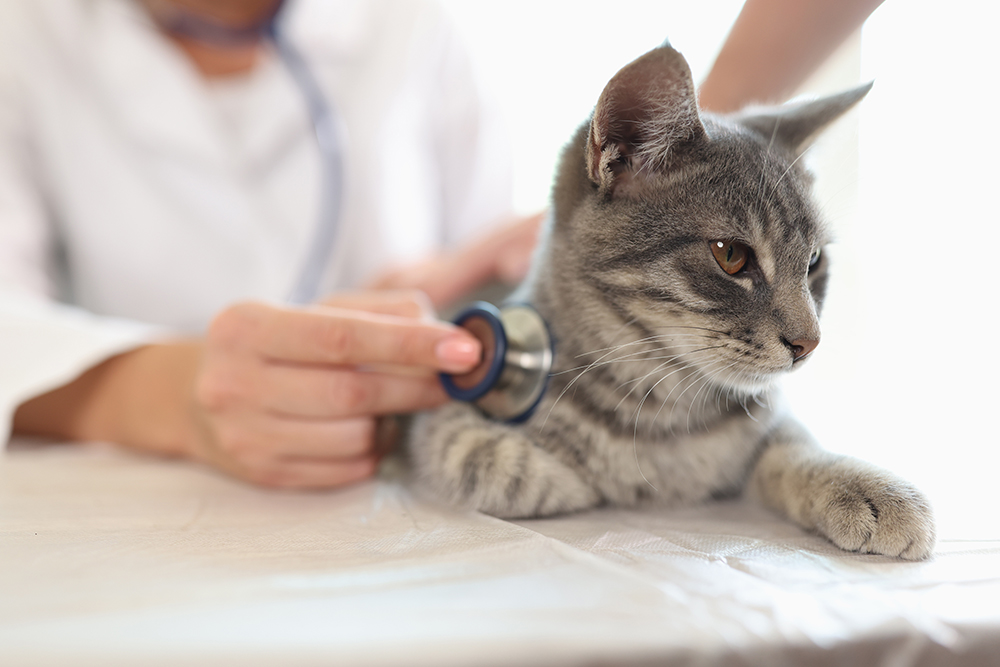
- Auscultation: Listening to your pet’s heart with a stethoscope identifies murmurs or arrhythmias, and listening to the lungs can identify fluid build up. Hearing something abnormal here triggers the need for more diagnostics to determine proper treatment plans.
- Chest radiographs: assess heart size, lung field changes from fluid accumulation, and other thoracic structures.
- Echocardiogram: the gold standard for evaluating cardiac structure and function. It identifies which chambers are affected, how severely, and what specific condition is present.
- Electrocardiogram (ECG): records the electrical activity of the heart and identifies arrhythmias.
- Holter monitoring: a 24-hour ECG worn at home, useful for diagnosing intermittent arrhythmias that don’t show up during a brief in-clinic ECG.
Our diagnostics include the cardiac evaluation tools needed to stage disease and monitor treatment response, and cases requiring advanced specialist evaluation are coordinated with cardiology referral as needed.
Why Do Multiple Medications Work Better Together?
Heart failure involves multiple simultaneous problems: inadequate pumping, fluid accumulation, vessel constriction, and electrical disturbances. Combination therapy addresses these more effectively than any single drug. Most cardiac patients take several medications, with heart disease medications adjusted at each recheck based on response, weight changes, and lab values. The four medication classes most commonly prescribed are pimobendan, diuretics, ACE inhibitors, and beta-blockers.
Pimobendan
Pimobendan (brand name Vetmedin) is central to most canine cardiac treatment plans. It works in two ways: it strengthens the heart’s contractions and dilates blood vessels to reduce the heart’s workload.
A significant pimobendan study demonstrated that starting pimobendan in dogs with mitral valve disease before they had symptoms significantly delayed the onset of congestive heart failure. This shifted the thinking around treatment timing toward earlier intervention rather than waiting for symptoms to begin.
Pimobendan is given orally, typically twice daily, and is generally well tolerated. Most pets handle it without significant side effects. It’s used in dogs much more than cats, where its role is more limited and case-specific.
Diuretics: Furosemide and Spironolactone
Diuretics remove excess fluid from the body, addressing the fluid accumulation that develops as heart failure progresses.
Furosemide (brand name Lasix) is the first-line diuretic in cardiac patients. It’s a powerful, fast-acting drug that pulls fluid out of the lungs and tissues. You should expect less coughing and trouble breathing, but also some inconvenient side effects:
- Increased thirst and water consumption
- Increased urination, with more frequent need to go outside or larger urine volumes in the box
- Possible accidents in housebroken pets, particularly during the first weeks
- Dose adjustments over time as the disease progresses
Spironolactone is a potassium-sparing diuretic often added to furosemide. It works by a different mechanism, providing additional fluid removal while reducing the potassium loss that high-dose furosemide can cause. It also has direct cardiac benefits beyond its diuretic effect.
Kidney function and electrolytes require regular monitoring on diuretics, particularly as doses increase. Bloodwork at recheck appointments tracks these values and lets us adjust dosing before problems develop.
ACE Inhibitors
ACE (angiotensin-converting enzyme) inhibitors include enalapril, benazepril, and others. They work by blocking a hormone system that constricts blood vessels and promotes fluid retention. The result is dilated vessels (lower pressure for the heart to pump against), reduced fluid retention, and protective effects against heart damage.
ACE inhibitors are typically combined with other cardiac medications rather than used alone. They’re particularly valuable for managing systemic hypertension (high blood pressure), which is common in older cats with kidney disease and can complicate cardiac management.
Side effects are generally mild but can include decreased appetite or worsening of pre-existing kidney disease. Bloodwork monitoring catches these issues early.
Beta-Blockers
Beta-blockers including atenolol slow the heart rate and reduce the force of contractions, which can be helpful for specific cardiac patterns:
- Hypertrophic cardiomyopathy in cats with severe outflow obstruction
- Certain arrhythmias including some ventricular tachycardias
- Dogs with rapid atrial fibrillation
Beta-blockers require careful dosing and monitoring because they can worsen heart failure if used inappropriately. They’re not first-line drugs; they’re chosen for specific situations where their effects match the underlying problem.
How Do You Monitor and Manage Heart Disease at Home?
Tracking Resting Respiratory Rate
Recording the resting respiratory rate is one of the most useful things you can do for cardiac patients. Count breaths for 30 seconds while your pet is sleeping calmly, then double the number.
Reference ranges and what to do:
| Resting rate | What to do |
| Less than 30 breaths/minute | Normal; continue routine monitoring |
| 30 to 40 breaths/minute | Watch closely; recheck in 15 to 30 minutes and call us if it doesn’t improve |
| Greater than 40 breaths/minute | Call us; possible early heart failure |
| Greater than 50 breaths/minute | Urgent evaluation needed- come in for emergency care |
A trend matters more than a single number. Many cardiac specialists recommend keeping a daily or weekly log of resting rates as part of routine home monitoring.
Other At-Home Monitoring Habits
- Weekly weigh-ins track fluid changes; sudden gains or losses warrant attention
- Appetite tracking noting any reduction
- Energy level observations including willingness to play, alertness, and tolerance for routine activity
- Cough frequency including how often, when (after lying down, during excitement), and whether it produces fluid
- Sleeping behavior including whether your pet sleeps comfortably or repeatedly shifts position
Giving Medications Consistently
Cardiac medications work best when given consistently:
- Set a schedule and stick to it as closely as possible. Most cardiac drugs are dosed twice daily.
- For missed doses: if the missed dose is within a few hours of the scheduled time, give it. If you’re closer to the next dose, skip the missed one and continue with the regular schedule. Never double-dose.
- For pets who resist pills: pill pockets, hidden in food, or asking us about compounded flavored formulations can dramatically simplify daily administration.
- Keep medications clearly labeled and stored consistently to avoid confusion.
If giving medications becomes consistently difficult, let us know. Compounded liquids, flavored chewables, or transdermal options (less commonly available for cardiac drugs but worth asking about) can sometimes solve administration problems.
How Does Heart Disease Progress Over Time?
Heart disease typically progresses through stages:
- Pre-clinical disease: structural changes are present but your pet shows no symptoms. Treatment may begin (especially pimobendan for dogs with documented heart enlargement) to delay progression.
- Mild clinical disease: subtle exercise intolerance, occasional cough, or activity reduction. Medications adjusted to control symptoms.
- Moderate disease: more obvious symptoms, often requiring multiple medications and more frequent monitoring.
- Congestive heart failure: fluid accumulation in the lungs or abdomen produces clear clinical signs. Aggressive medical management is needed.
- Advanced disease: refractory or recurrent failure despite optimal medical management.
The pace of progression varies widely. Some dogs with mitral valve disease live for years with only mild symptoms. Others progress more quickly. Cats with HCM may go years without symptoms or may present in acute crisis.
We remain a partner through every phase, including discussions of end-of-life care when treatment can no longer maintain quality of life. These conversations are some of the most important we have with cardiac families, and we approach them with the same care we bring to active treatment.
Frequently Asked Questions
Will my pet need these medications for life?
Generally yes. Cardiac medications manage chronic disease rather than curing it. Stopping medications usually leads to rapid worsening, often to a degree that’s hard to reverse.
Are there side effects I should watch for?
Common things to watch for include increased thirst and urination on diuretics, decreased appetite on any new medication, lethargy, and weakness. New or worsening cough, exercise intolerance, or breathing changes warrant a call. Bloodwork monitoring catches many issues before clinical signs develop.
How often will my pet need rechecks?
Initially, rechecks every 2 to 4 weeks while medications are being titrated. Once stable, every 3 to 6 months for most cardiac patients, with more frequent visits if symptoms change.
Can my pet still exercise?
Generally yes, with moderation. Most cardiac patients benefit from gentle, regular activity. Avoid extreme exertion, heat, and prolonged stress. We’ll guide you on what’s appropriate for your specific pet’s stage of disease.
What if my pet won’t take the medications?
Talk to us. There are usually solutions, including pill pockets, flavored compounded formulations, smaller more frequent doses, or different medication options that achieve similar effects.
Cardiac Care as a Long-Term Partnership
Managing heart disease well is a long-term partnership between you and the veterinary team. Daily home monitoring captures the data that recheck appointments can’t, and regular rechecks keep the treatment plan calibrated to your pet’s current condition. The pets who do best are the ones whose families learn the medications, watch for changes, and stay in close touch with us when questions arise.
If you have questions about your pet’s cardiac medications, want a fresh evaluation, or are just trying to make sense of a recent diagnosis, our team is glad to help. Reach out to schedule an appointment or call us for a late-night worry– Lewiston Veterinary Clinic is ready to be a partner in your pet’s heart health.




Leave A Comment