
Did you know that 1 in 5 dogs suffers from osteoarthritis? Despite its prevalence, osteoarthritis is often mistaken for simple “slowing down” due to aging. But here’s the reality—just like humans, our pets can experience joint pain that significantly affects their quality of life. At Lewiston Veterinary Clinic in Lewiston, ID, we specialize in diagnosing and managing chronic conditions like osteoarthritis, with a mission to help your pets enjoy comfort and mobility well into their golden years.
What is Osteoarthritis?
Osteoarthritis, also known as degenerative joint disease, is a progressive condition involving the gradual breakdown of cartilage in the joints. Cartilage is the smooth, cushioning tissue that covers bones in a joint, allowing them to glide without friction. As cartilage wears away, bones can make painful contact, leading to inflammation, pain, and reduced mobility. Osteoarthritis most commonly affects weight-bearing joints, such as the hips, knees, elbows, and spine.
Symptoms of Osteoarthritis in Pets
Because pets often hide their pain, recognizing osteoarthritis can be challenging. However, there are some key signs to watch for:
- Limping or Lameness: Pets may have a noticeable limp, especially after rest, or struggle to stand up after lying down. This limping may improve slightly with movement, only to worsen after rest.
- Reduced Mobility: Pets may hesitate to climb stairs, jump onto furniture, or join in activities they once loved. They may also struggle with getting into or out of the car.
- Sensitivity to Touch: Pets with sore joints may pull away or even growl when you touch affected areas.
- Irritability: Chronic pain can affect mood. A usually gentle pet may become irritable or withdrawn if they are in pain.
- Decreased Activity: Pets may avoid activities they once enjoyed, such as walks or playtime. This change is especially common in older dogs and cats.
It’s essential to consult a veterinarian if you notice any of these signs, as they could indicate osteoarthritis or another health issue. For more resources on caring for senior pets, visit the AVMA Senior Pets page.
Which Pets Are at Risk?
While any pet can develop osteoarthritis as they age, certain factors increase the likelihood:
- Large Dog Breeds: Breeds like Labrador Retrievers, German Shepherds, and Golden Retrievers are more prone to osteoarthritis due to their larger body size, which places more stress on joints.
- Overweight Pets: Carrying extra weight puts unnecessary strain on the joints, accelerating the breakdown of cartilage.
- Active Pets and Athletes: High-energy breeds, working dogs, or pets involved in agility sports are at greater risk due to the repetitive strain placed on their joints.
- Genetics: Some breeds, such as Dachshunds and Corgis, may be prone to specific joint issues, like intervertebral disc disease, which can predispose them to osteoarthritis.
Preventative Measures
To help protect your pet’s joints, consider these preventative strategies:
- Maintain a Healthy Weight: Ensuring your pet is within a healthy weight range is one of the best ways to reduce joint strain.
- Exercise Regularly: Keep your pet moving, but avoid high-impact activities like jumping or running on hard surfaces, especially as they age.
- Routine Veterinary Check-Ups: Regular exams allow veterinarians to identify early signs of osteoarthritis and provide guidance on joint health. At Lewiston Veterinary Clinic, we offer thorough exams designed to detect these signs early.
How Can Veterinary Care Help?
Early diagnosis of osteoarthritis can significantly improve your pet’s quality of life. Through physical exams, X-rays, and other diagnostic tools, we can assess the health of your pet’s joints and detect signs of degeneration before they cause severe pain or mobility issues.
During a physical exam, veterinarians may palpate your pet’s joints to assess swelling, stiffness, or pain. Imaging tools like X-rays are also valuable for confirming osteoarthritis and ruling out other conditions such as fractures or infections that could mimic similar symptoms.
Treatment Options for Pets with Osteoarthritis
Once diagnosed, there are several effective treatment options to manage osteoarthritis and help your pet live more comfortably:
- Anti-inflammatory Medications (NSAIDs): Nonsteroidal anti-inflammatory drugs can reduce pain and inflammation, allowing pets to move more comfortably.
- Joint Supplements: Products containing glucosamine, chondroitin, and omega-3 fatty acids may help protect cartilage and improve joint function.
- Physical Therapy: Customized exercises can strengthen the muscles around the joints, improve flexibility, and slow the progression of arthritis. Hydrotherapy, or water-based exercise, is especially effective as it allows for low-impact movement.
- Laser Therapy and Acupuncture: These non-invasive treatments can provide pain relief and reduce inflammation, improving your pet’s quality of life without the side effects associated with medication.
- Weight Management Programs: Reducing weight not only alleviates joint pressure but can also enhance mobility, allowing your pet to enjoy a more active lifestyle.
- Surgery: In severe cases, surgery may be recommended to repair or even replace damaged joints. Common surgeries for pets with arthritis include joint replacement or arthroscopic procedures to remove damaged tissue.
For more tips on supporting your pet’s mobility at home, check out the Mobility Matters guide.
How to Support Your Pet at Home
Managing osteoarthritis is a team effort that includes adjustments in your pet’s home environment:
- Soft Bedding: Provide a comfortable, supportive bed to ease pressure on joints. Orthopedic pet beds are an excellent option for pets with arthritis.
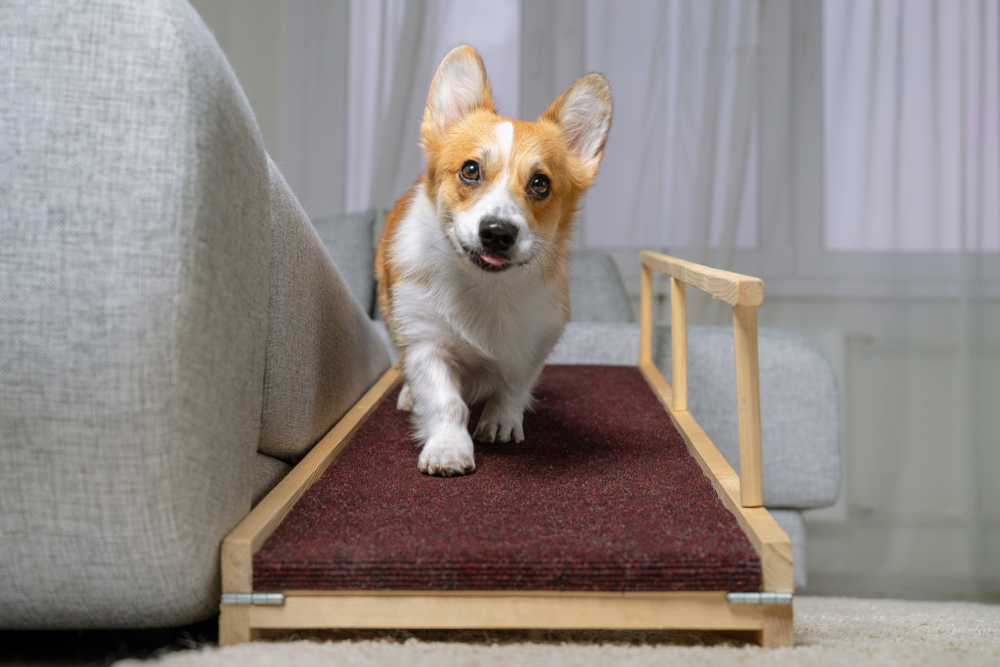
- Ramps or Steps: Use ramps to help your pet avoid stairs or high jumps onto furniture.
- Temperature Control: Cold and damp conditions can worsen arthritis symptoms. Keep your pet warm and dry to alleviate discomfort.
- Gentle Exercise: Engage your pet in low-impact activities, like slow walks or swimming, to maintain muscle strength without causing pain.
These simple changes can make your home a more comfortable environment, allowing your pet to move freely with minimal discomfort.
Recognizing the Benefits of Early Detection
Early detection and treatment can prevent osteoarthritis from progressing to severe stages, allowing your pet to maintain a higher quality of life. By recognizing signs early and engaging in a treatment plan, you can keep your pet comfortable, mobile, and happier for longer.
Think Your Pet Might Be Showing Signs of Osteoarthritis?
If you suspect your pet is showing symptoms of joint pain or discomfort, schedule an appointment with Lewiston Veterinary Clinic. We provide comprehensive evaluations and will discuss the best treatment options to support your pet’s comfort and mobility. Together, we can help your pet live a fulfilling life, even with osteoarthritis.
For further information or to book a consultation, contact us at Lewiston Veterinary Clinic—we’re here to help your pet enjoy every step of their journey with minimal pain and maximum comfort.






Leave A Comment