
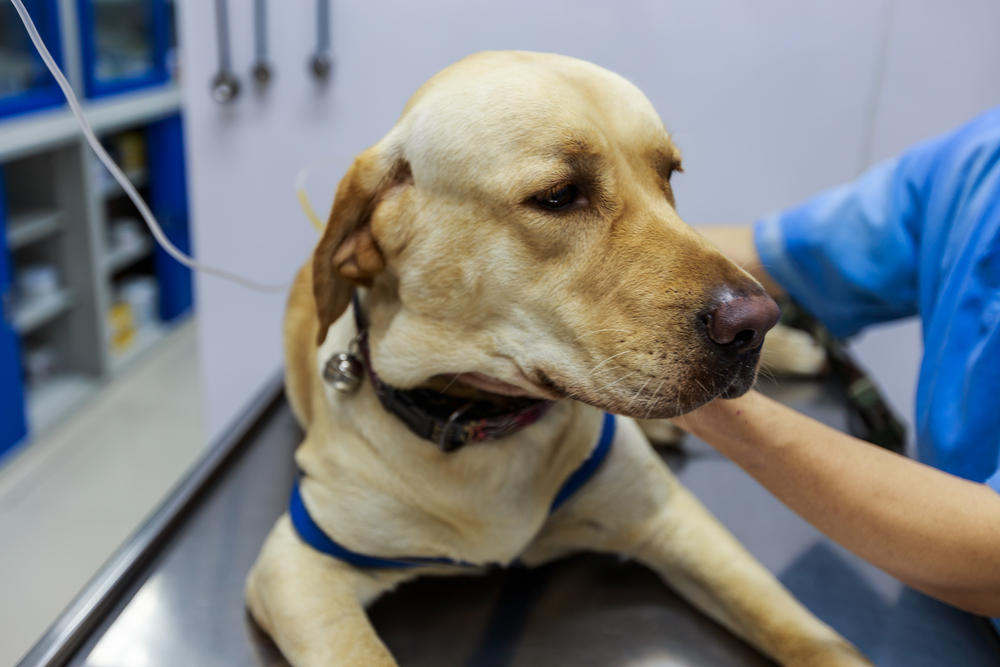
Immune-mediated blood diseases are serious because the immune system, which is supposed to defend the body, turns on the cells that keep it alive. In IMHA (immune-mediated hemolytic anemia), the immune system destroys the red blood cells that carry oxygen to every tissue. In ITP (immune-mediated thrombocytopenia), it targets the platelets that allow blood to clot. Both diseases can drop a pet from “a little off” to genuinely critical within hours, the underlying counts can keep falling even after treatment starts, and a paradoxical clotting problem in IMHA makes the picture more dangerous still. The good news is that recognizing the early signs and getting bloodwork the same day can change the outcome substantially, which is why pale gums, unexplained bruising, or sudden lethargy in a dog or cat is worth a call rather than a wait-and-see.
At Lewiston Veterinary Clinic, we run blood work in house and keep ultrasound and digital radiography on site, so a sick pet can be evaluated without waiting on outside results. We work urgent cases throughout the day, and our emergency on-call service covers weekday evenings and Saturday afternoons when something cannot hold until morning. If your dog or cat is pale, unusually tired, or bruising or bleeding in ways that do not add up, call Lewiston Veterinary Clinic and we will help you decide what to do next.
What a Diagnosis Hinges On
- The first clue is the blood count: a CBC catches the drop in red cells or platelets that defines these diseases.
- Confirmation takes more than one test: a smear, agglutination test, Coombs test, and reticulocyte count separate immune destruction from other causes.
- The workup hunts for a trigger: screening for tick-borne disease, cancer, toxins, and medications shapes both treatment and outlook.
- Speed is part of the diagnosis: because counts can fall further within hours, same-day in-house testing lets care begin during the same visit.
What Are We Trying to Confirm With Testing?
Testing is built to answer two questions at once: which blood cell the immune system is destroying, and what, if anything, triggered the attack. Immune-mediated diseases occur when the body tags its own cells as foreign, targeting red cells in IMHA and platelets in ITP. Confirming both the target and the cause is what shapes the entire plan.
The split that matters most early is primary versus secondary. Primary IMHA and ITP means no underlying cause turns up, and treatment aims straight at calming the overactive immune system. Secondary disease has a specific instigator behind it, and clearing the immune attack without addressing that instigator usually invites a relapse. This is why a careful workup keeps looking after the low count is confirmed, rather than stopping at the number itself.
What Tests Diagnose IMHA and ITP?
A workup for suspected IMHA or ITP follows a defined order, moving from the broad blood count to the specific tests that pin down immune destruction and screen for a trigger. Our in-house diagnostics handle most of the first round during the same visit, so a treatment plan can usually take shape the same day.
| Test | What it measures | What an abnormal result suggests |
| Complete blood count | Red cell, platelet, and white cell numbers | A steep drop in red cells (IMHA) or platelets (ITP) |
| Blood smear | The shape and clumping of cells under the microscope | Spherocytes and clumping that point to immune destruction |
| Saline agglutination (slide) test | Whether red cells clump on their own in saline | Antibody-coated red cells, a hallmark of IMHA |
| Coombs test | Antibodies attached to red blood cells | Confirmation of immune-mediated red cell destruction |
| Reticulocyte count | Whether the marrow is making new red cells | A regenerative response versus production failure |
| Chemistry panel and urinalysis | Organ function and urine color | Organ involvement and hemoglobin in the urine |
| Tick-borne disease panel | Exposure to ehrlichia, anaplasma, and related infections | A possible secondary trigger |
| Ultrasound and radiographs | The spleen, abdomen, and chest | Hidden cancer, clots, or organ changes |
Alongside the lab work, the history and physical exam steer the testing. Recent medications, travel, tick exposure, and vaccination history all matter, and the exam checks gum color, heart and breathing rate, and the size of the spleen and lymph nodes before a single tube of blood is drawn.
How Do We Tell IMHA From Other Causes of Anemia?
Not every anemic pet has IMHA, so the smear and a handful of targeted tests do the sorting. In immune-mediated hemolytic anemia, red cells are destroyed faster than the marrow can replace them, and several findings point specifically at immune destruction rather than blood loss or marrow disease.
- Spherocytes on the smear: small, round red cells that signal antibody-driven destruction.
- Autoagglutination: red cells clumping on their own, which a saline slide test confirms.
- A positive Coombs test: antibodies found sitting on the red cells.
- A regenerative reticulocyte count: marrow churning out replacements, which fits destruction rather than a production problem.
Pale or jaundiced gums add a bedside clue, since the yellow tint comes from the pigment released as red cells break down. Signalment helps too: breed predisposition is real, with Cocker Spaniels, Poodles, and English Springer Spaniels among those that develop IMHA more often, so breed nudges the index of suspicion before the results are even back.
How Do We Tell ITP From Other Causes of Low Platelets?
A low platelet count on the CBC is the starting point, but it has to be confirmed and separated from other explanations. In immune-mediated thrombocytopenia, the immune system clears platelets so aggressively that the blood loses its ability to seal small leaks.
The first move is ruling out a false reading, because clumped platelets can mimic a low count, so the smear is checked to confirm the number is genuinely low rather than an artifact. From there, the pattern of bleeding (pinpoint bruises on the gums and belly, nosebleeds, blood in the urine) fits platelet loss rather than a clotting-factor problem, which helps distinguish ITP from anticoagulant rodenticide poisoning. Screening then turns to triggers, including heartworm disease and the distemper virus, both of which can drive secondary platelet destruction.
Why Does Finding the Trigger Change the Workup?
When a secondary cause is hiding behind the immune attack, leaving it untreated is the fastest route to relapse, so the workup actively screens for the usual culprits. Each category steers the testing in a slightly different direction.
- Infections: including leptospirosis and, in cats, hemotropic mycoplasma that parasitizes red cells directly.
- Cancer: particularly lymphoma and hemangiosarcoma, which is why imaging joins the workup when either is plausible.
- Viruses: such as the feline leukemia virus in cats.
- Toxins: including zinc toxicosis from swallowed coins or hardware.
- Drugs and envenomation: including some medications and snake bites.
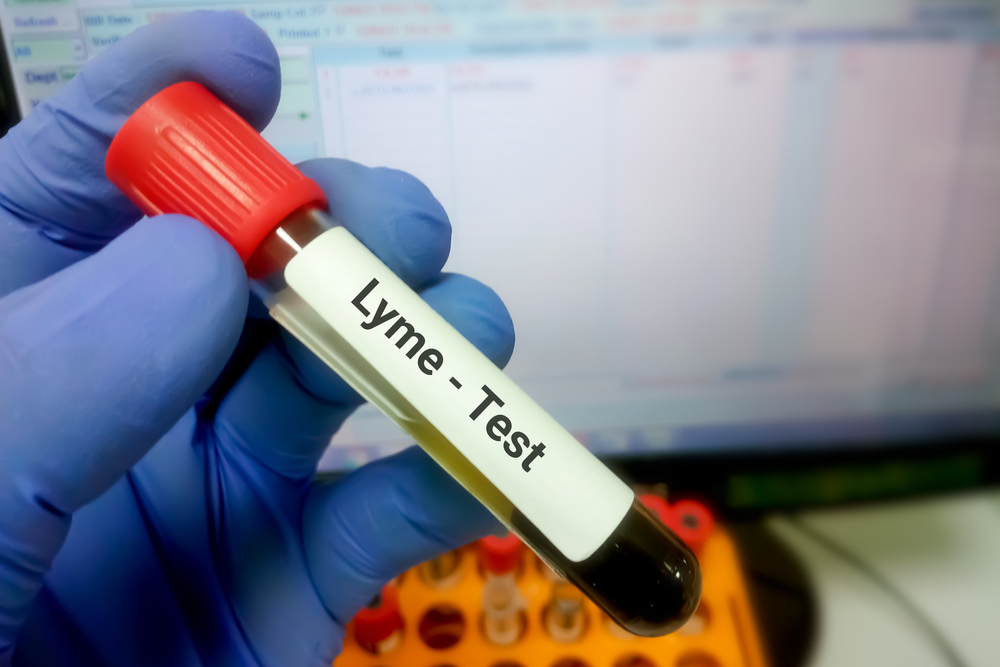
Which Tick-Borne Infections Does the Workup Screen For?
Tick-borne disease earns its own screen because several infections can trigger or imitate IMHA and ITP, and in the Pacific Northwest exposure is easy to miss. A tick panel is standard whenever an immune blood disease is on the table, whether or not you have ever spotted a tick on your pet.
- Lyme disease: can set off secondary immune-mediated blood disease.
- Rocky Mountain spotted fever: drives severe platelet loss and blood-vessel inflammation.
- Ehrlichia and anaplasma: damage platelets directly and can provoke immune disease.
- Babesia: infects and destroys red cells, and Babesia gibsoni can pass dog-to-dog through bite wounds rather than only through ticks.
What Does the Workup Look For Beyond the Blood Count?
A blood count names the problem, but it does not reveal the complications that make these diseases dangerous, so imaging and a closer look at clotting round out the picture. IMHA carries a particular paradox worth screening for.
Even while red cells are being destroyed, the clotting system can swing into overdrive and throw clots where none belong. Blood clotting complications rank among the leading causes of death in IMHA, so the workup watches breathing, oxygen, and limb function closely, while ultrasound and chest radiographs look for clots, an enlarged spleen, or a hidden tumor. When both red cells and platelets are under attack at the same time, the picture becomes concurrent immune-mediated conditions, known as Evans syndrome, and it calls for closer monitoring and a more guarded outlook.
What Happens Once the Diagnosis Is Confirmed?
A confirmed diagnosis sets two things in motion at once: suppressing the immune attack and supporting the body until the counts climb back. Immune-mediated disease treatment is tailored to the patient and adjusted as the numbers respond.
Corticosteroids lead the way, with additional immunosuppressive drugs layered in when the response is only partial, and IMHA patients usually receive medication to lower the clotting risk. Severely anemic pets may need blood transfusions to buy time, and the most stubborn or critical cases can be referred for therapeutic plasma exchange or blood purification. When the workup turns up a trigger, treating that trigger runs alongside everything else.
How Quickly Can You Get Answers?
Most first-tier testing is fast. A CBC, smear, chemistry panel, and urinalysis can be finished during a same-day visit with results in hand within a couple of hours, which is often enough to start treating a strong suspicion right away. Coombs testing and confirmatory tick-borne panels usually go to a reference lab with a two to five day turnaround, so the plan is built on the early findings and refined as the rest comes back.
What Should Prompt Same-Day Testing?
A handful of signs are worth a same-day call rather than a wait-and-see, because once the count is falling the window narrows fast.
- Pale, white, or yellow gums: lift the lip and compare against your pet’s normal color.
- Unexplained bruising or pinpoint spots: on the belly, gums, or whites of the eyes.
- Labored breathing at rest: or breathing that looks faster than usual.
- Dark, orange, or blood-tinged urine: a sign of red cells breaking down.
- Marked lethargy: especially in a cat whose baseline is already quiet.
- Nosebleeds or wounds that will not stop: bleeding out of proportion to the cause.
Frequently Asked Questions About Diagnosing IMHA and ITP
Why Screen for Tick-Borne Disease If I Have Never Seen a Tick?
Tick exposure goes unnoticed all the time, especially on long-coated dogs and pets who roam wooded ground. Some infections also surface months after the tick is long gone, so a clean visual check does not rule them out. For high-suspicion cases, starting antimicrobial treatment while the panel is pending is common.
Can a Single Blood Test Confirm the Diagnosis?
Rarely on its own. The CBC flags the low count, but confirming immune destruction takes the smear, an agglutination test, a Coombs test, and a reticulocyte count read together. No one result carries the diagnosis by itself, which is why the sequence matters more than any single number.
Can My Pet Recover After Diagnosis?
Many do, though recovery is seldom quick. Most pets need months of immunosuppressive medication, tapered slowly with repeat bloodwork to confirm the counts hold. Some relapse and a few never fully respond, but an early diagnosis, a found trigger, and steady follow-up meaningfully tilt the odds toward a good outcome.
From a Low Blood Count to a Clear Diagnosis
A frightening blood result is easier to face once the path is clear: confirm whether red cells or platelets are under attack, separate immune destruction from the alternatives, search for a trigger, and move quickly. The sequence is well worn, and same-visit in-house testing means we can usually hand you both an answer and a plan the same day.
If your pet is showing any of the signs here, request an appointment for same-day evaluation or reach out to our team to talk through what you are seeing.




Leave A Comment